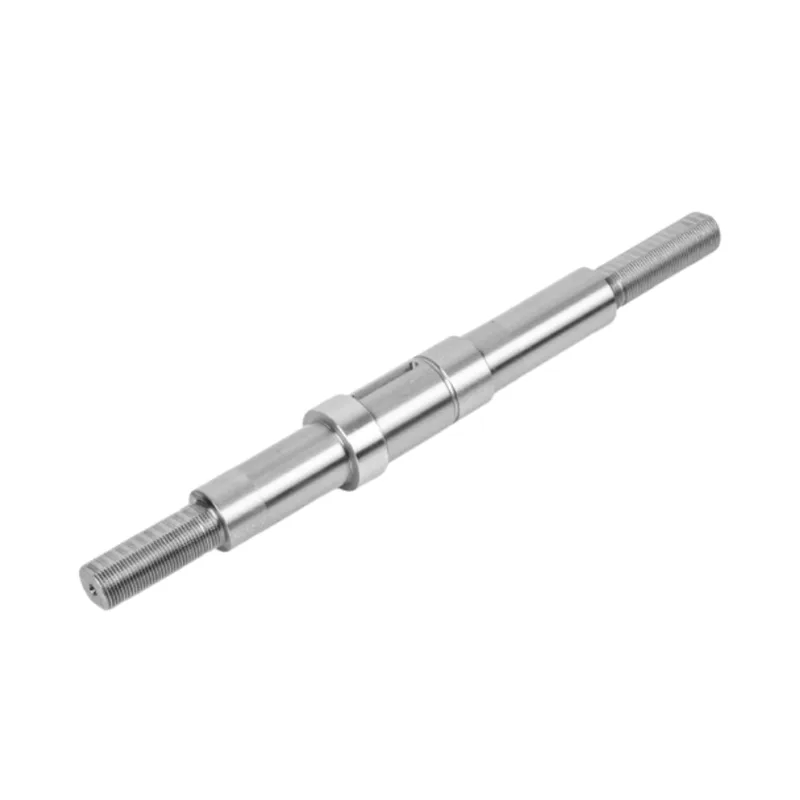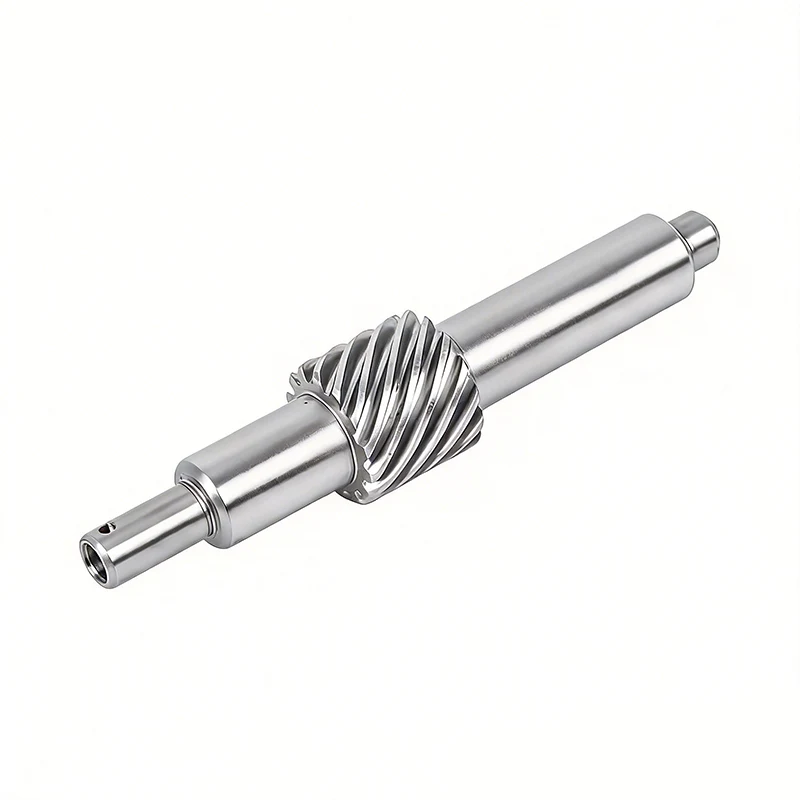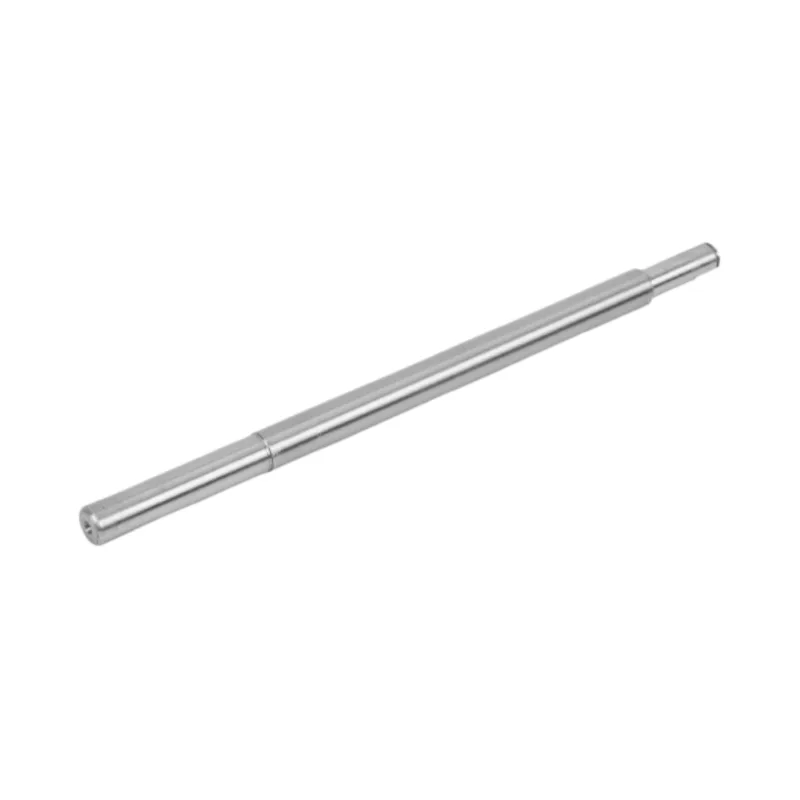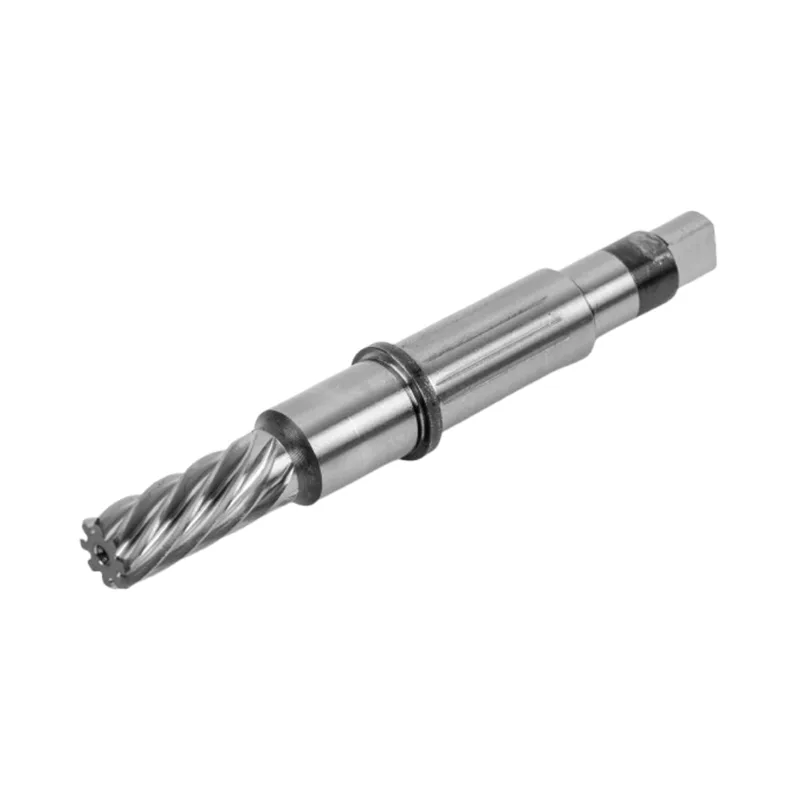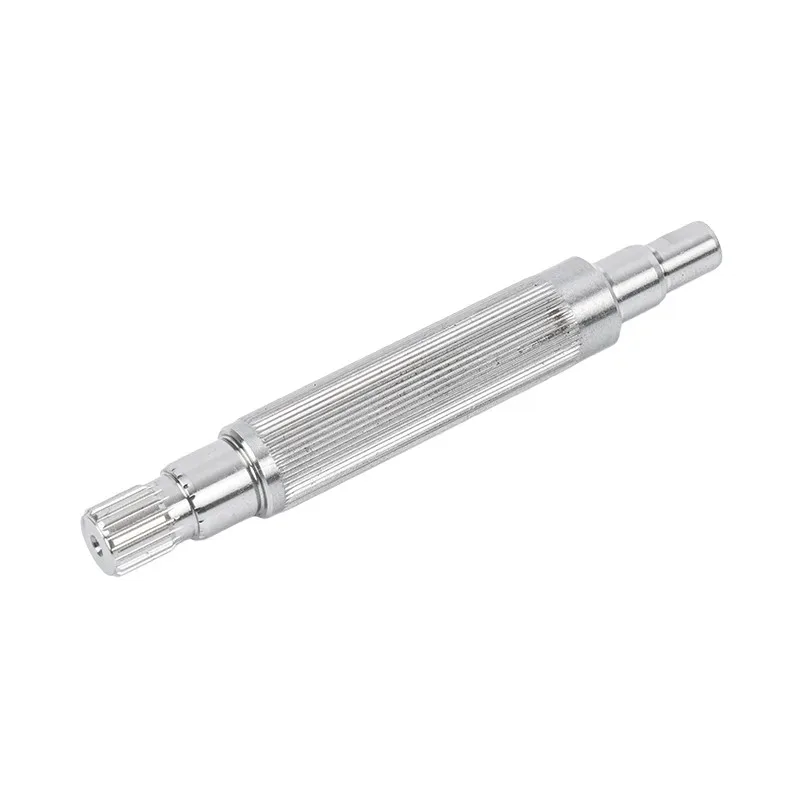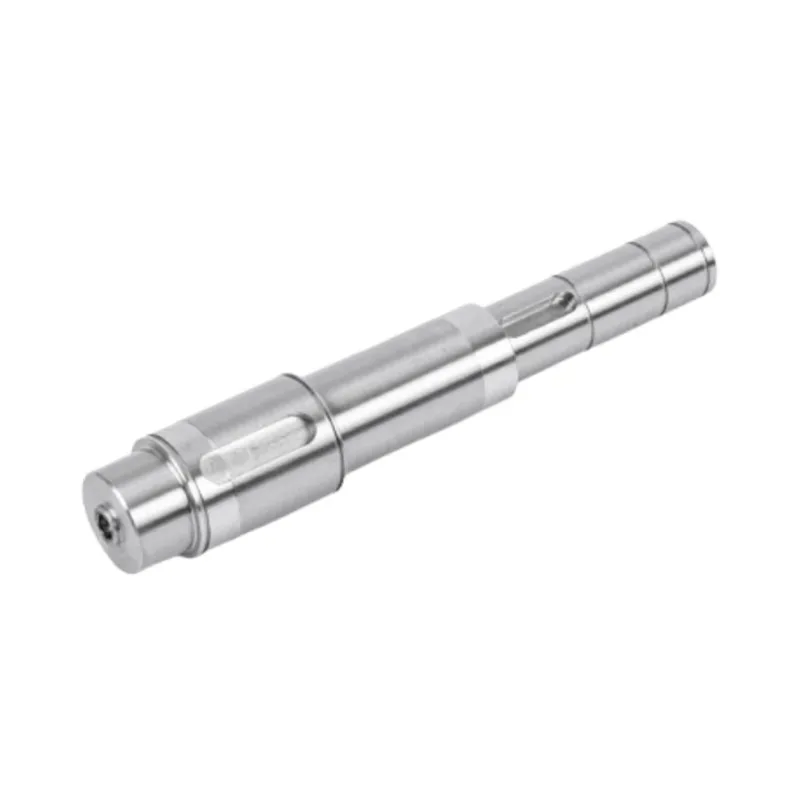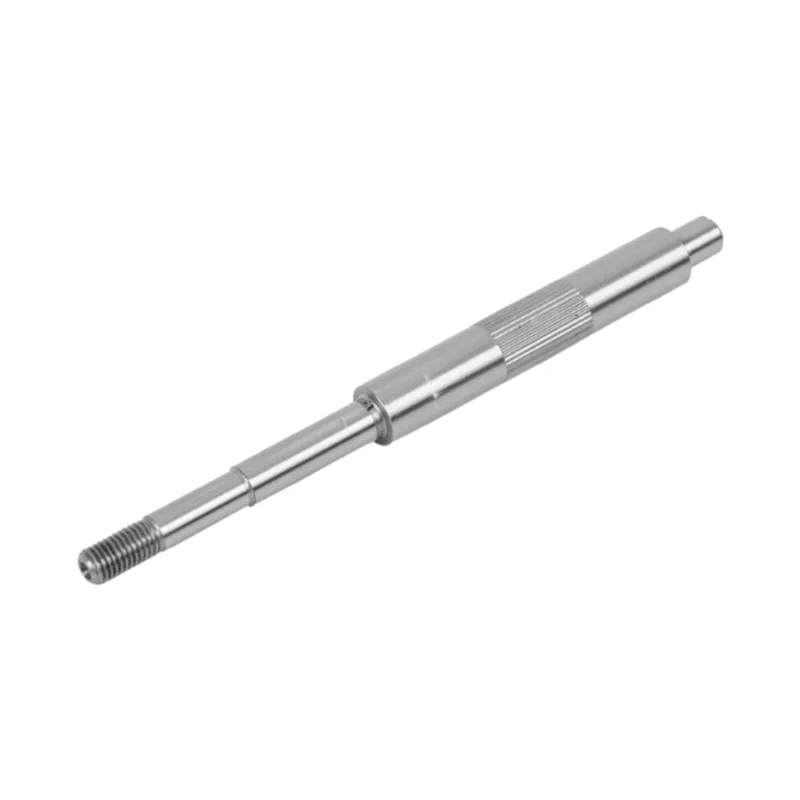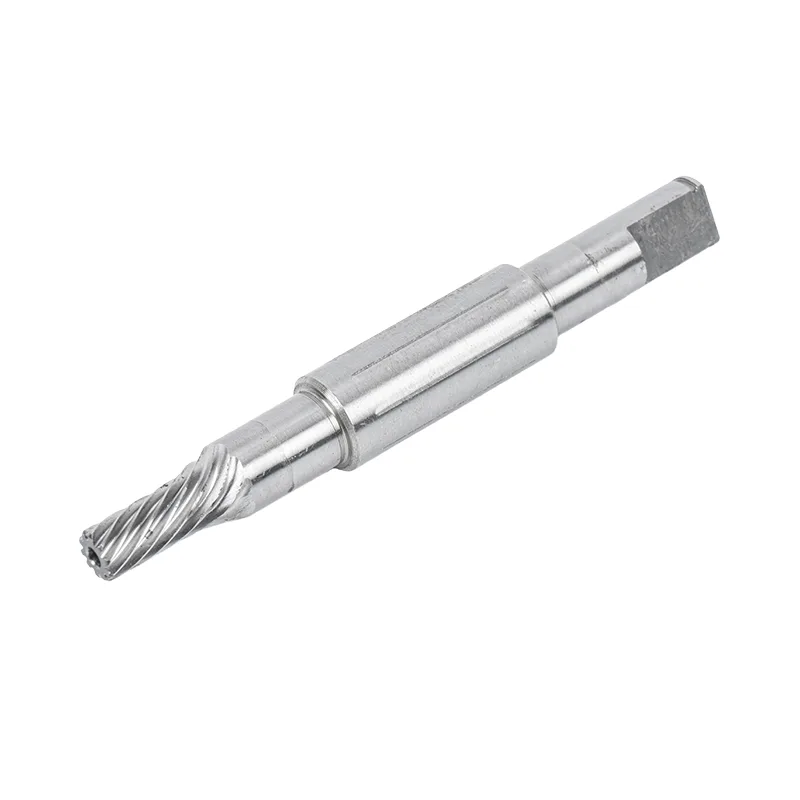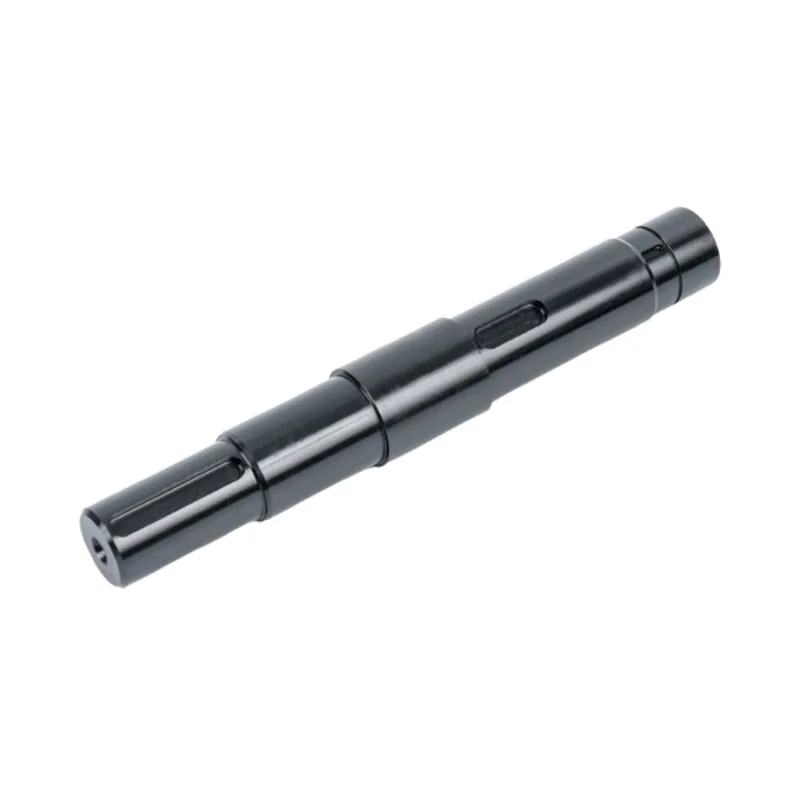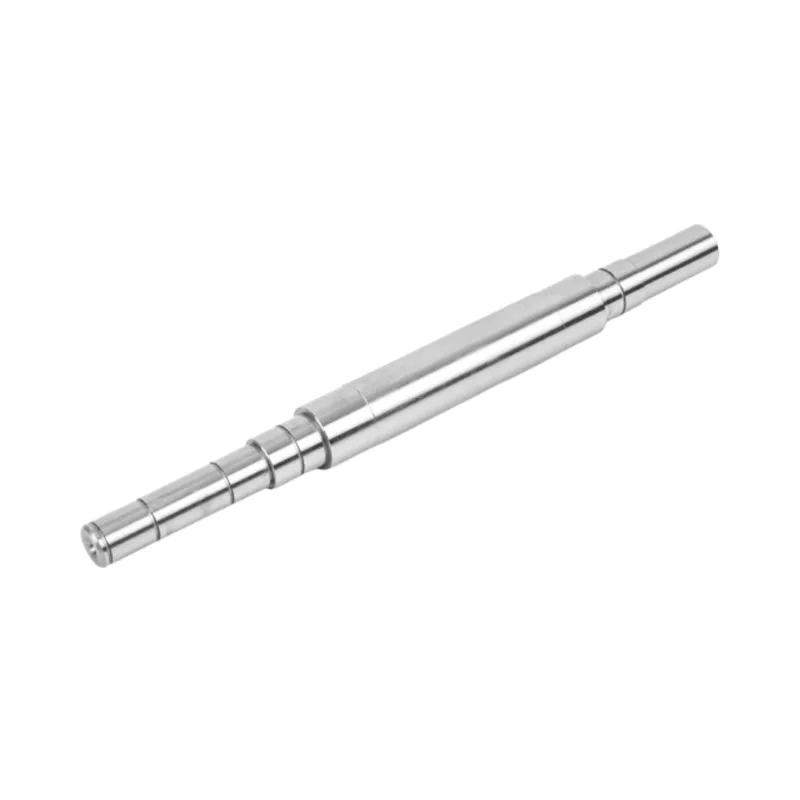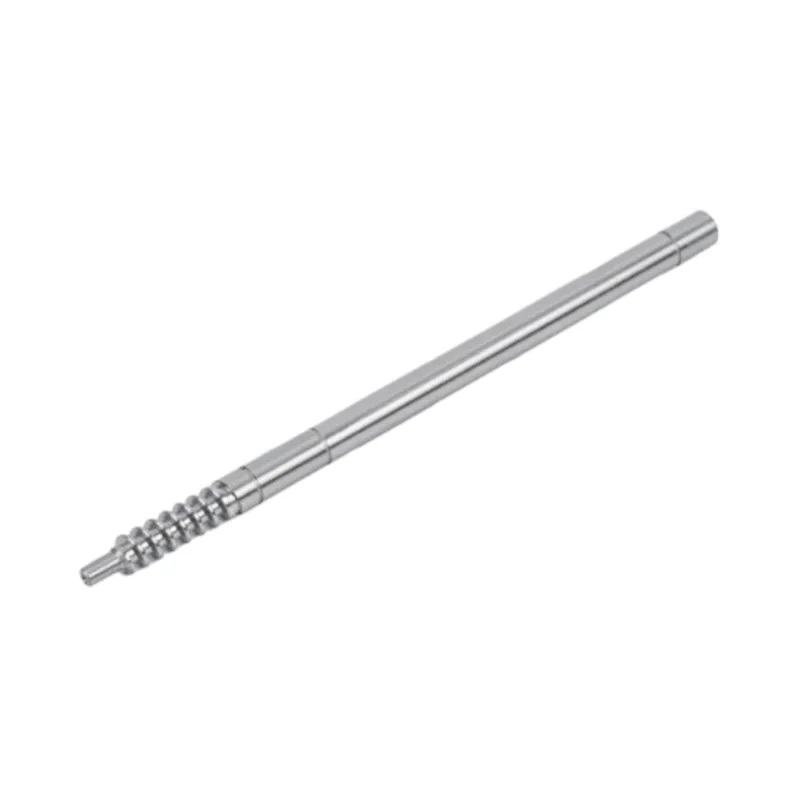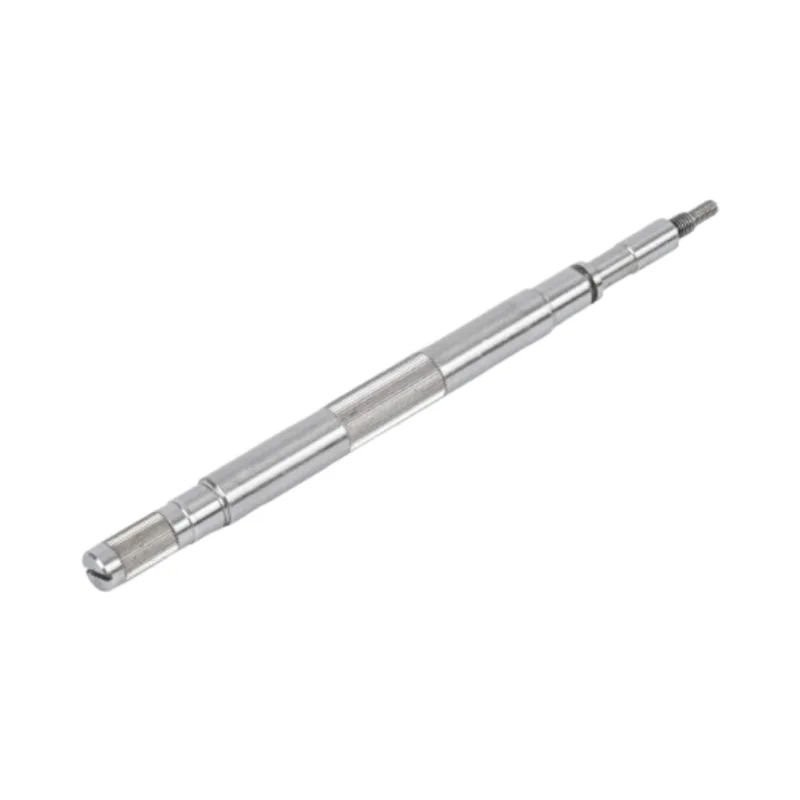
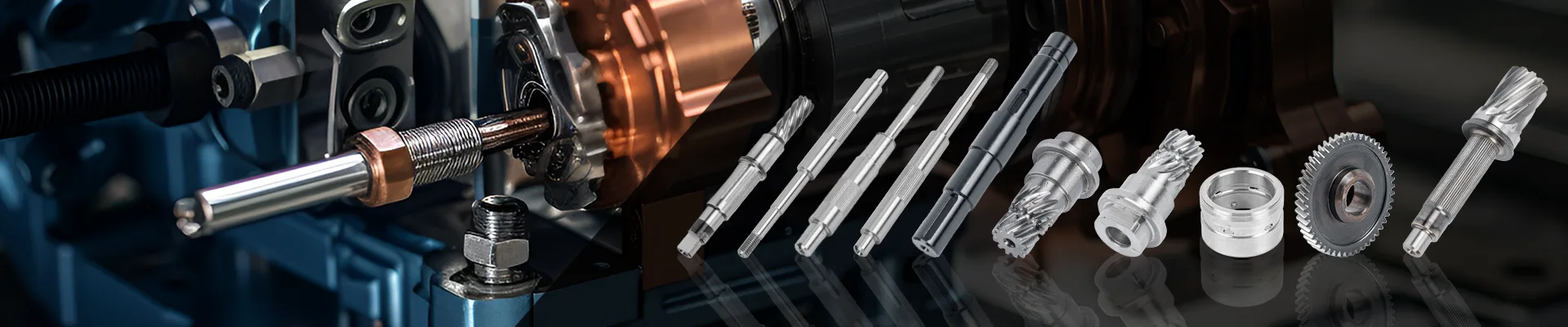
In demanding industrial applications where torque transmission and precise alignment are non-negotiable, the standard single-keyway shaft can become a limiting factor. For scenarios requiring a higher degree of flexibility, redundancy, or the ability to drive multiple components from a single shaft, engineers turn to a more robust solution: the Two Keyway Precision Motor Shaft. This specialized component, also commonly referred to as a Dual Keyway Motor Drive Shaft or Motor Shaft with Twin Key Slots, is engineered to provide superior power transmission capabilities and installation versatility. By incorporating two precisely machined keyways set at a specific angular displacement (typically 90 or 180 degrees), this shaft design allows for multiple mounting configurations for hubs, gears, or pulleys. This feature is invaluable in complex assembly layouts or when future modifications are anticipated. Whether you are sourcing a Double Groove Motor Transmission Shaft for heavy-duty machinery or a high-precision Twin Keyway Electric Motor Shaft for sensitive automation equipment, the fundamental advantage remains the same: enhanced design flexibility and reliable, positive-drive torque transfer.
The efficacy of any Two Keyway Precision Motor Shaft hinges on its exacting manufacturing standards and material integrity. We produce our shafts from certified high-strength alloy steels, such as 4140 or 4340, which are selected for their excellent tensile strength, toughness, and resistance to wear. Each shaft undergoes a rigorous heat-treatment process, like induction hardening or through-hardening, to achieve a surface hardness typically between 45-55 HRC, ensuring exceptional durability in high-stress environments. The core of the shaft retains a tougher, more ductile state to absorb shock loads without catastrophic failure. The defining feature—the twin keyways—are machined with ultra-precise CNC equipment to guarantee parallel alignment, exact width, depth, and a superior surface finish. This precision ensures a perfect fit with standard key stock, eliminating backlash and minimizing stress concentrations that can lead to premature fatigue. Every dimension, from the overall length and journal diameters to the fillet radii at stress points, is manufactured to exacting tolerances, often within ±0.0005 inches (±0.0127 mm), to ensure seamless integration into your assembly.
| Shaft Diameter (mm/in) | Standard Keyway Size (Width x Depth) | Typical Torque Capacity Range (Nm) | Standard Tolerance on Diameter |
|---|---|---|---|
| 10 mm / 0.394" | 3 x 3 mm / 1/8" x 1/8" | 15 - 25 Nm | h6 / ±0.0004" |
| 20 mm / 0.787" | 6 x 6 mm / 1/4" x 1/4" | 120 - 180 Nm | h6 / ±0.0005" |
| 30 mm / 1.181" | 8 x 7 mm / 5/16" x 9/32" | 300 - 450 Nm | h6 / ±0.0006" |
| 40 mm / 1.575" | 12 x 8 mm / 1/2" x 5/16" | 700 - 1000 Nm | h7 / ±0.0008" |
| 50 mm / 1.969" | 14 x 9 mm / 9/16" x 3/8" | 1400 - 1900 Nm | h7 / ±0.0010" |