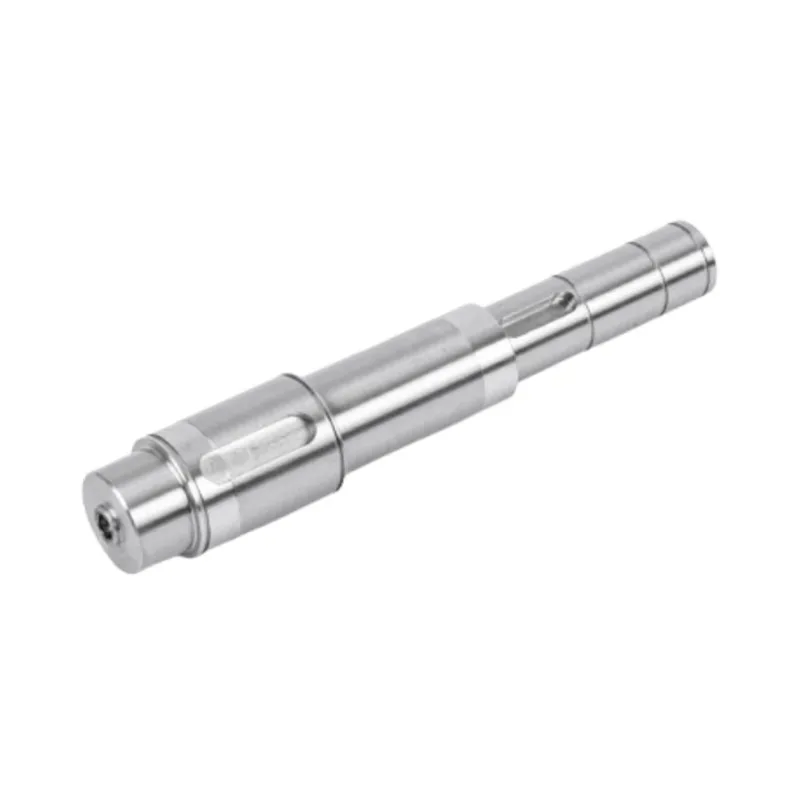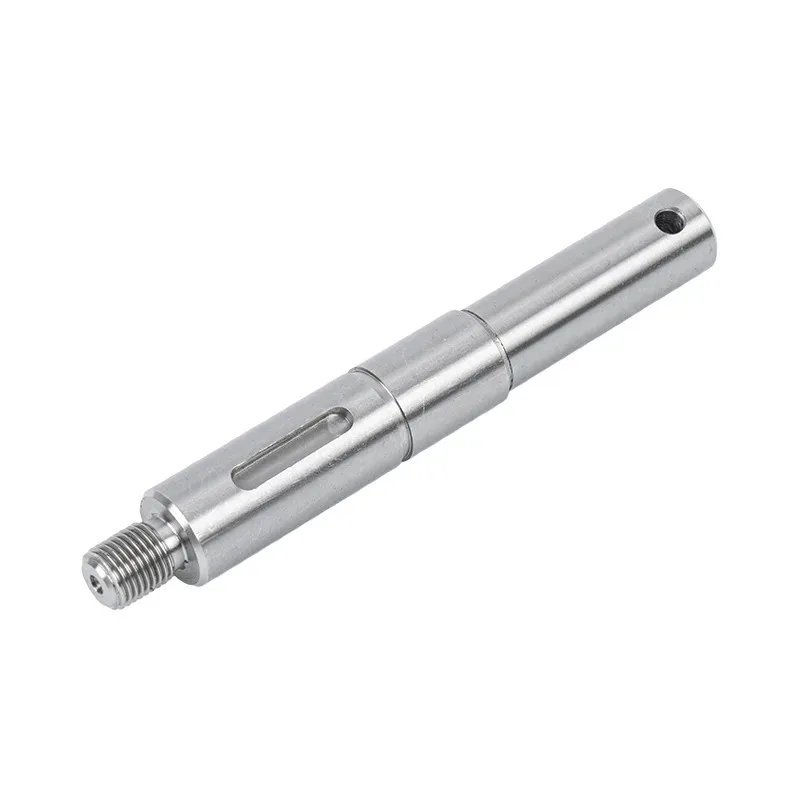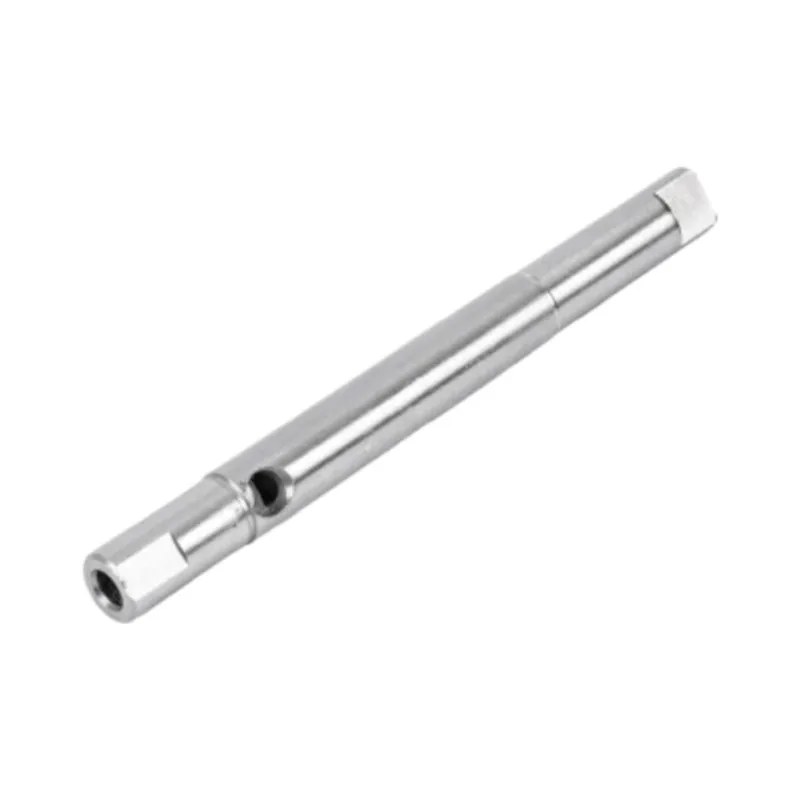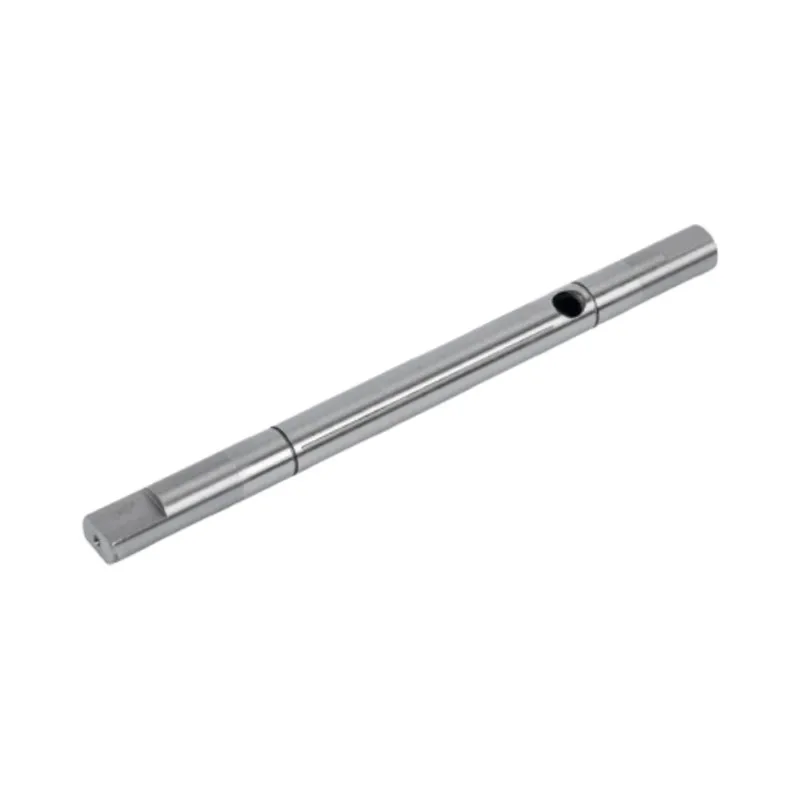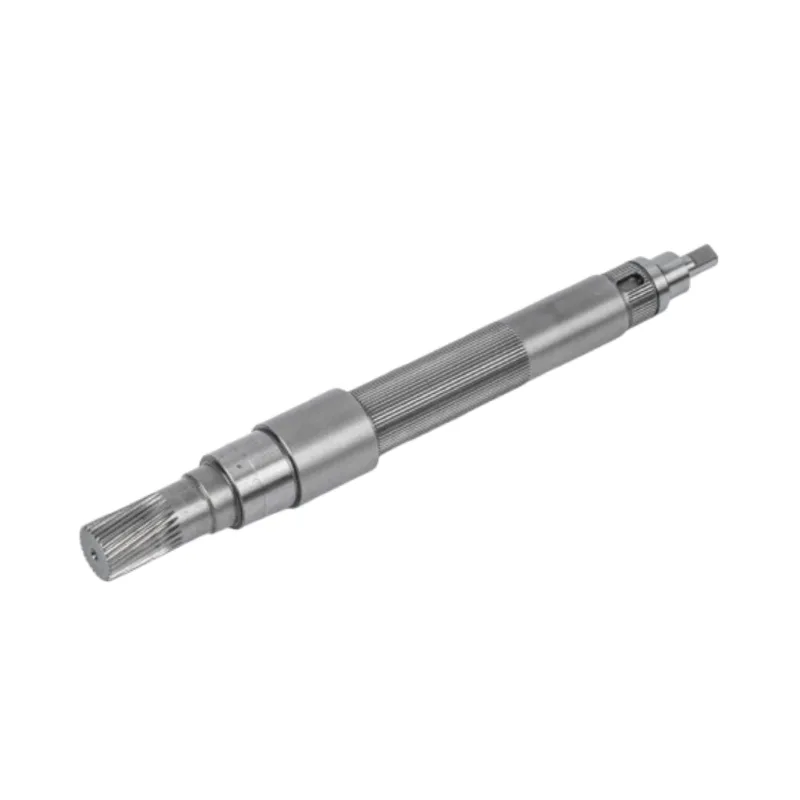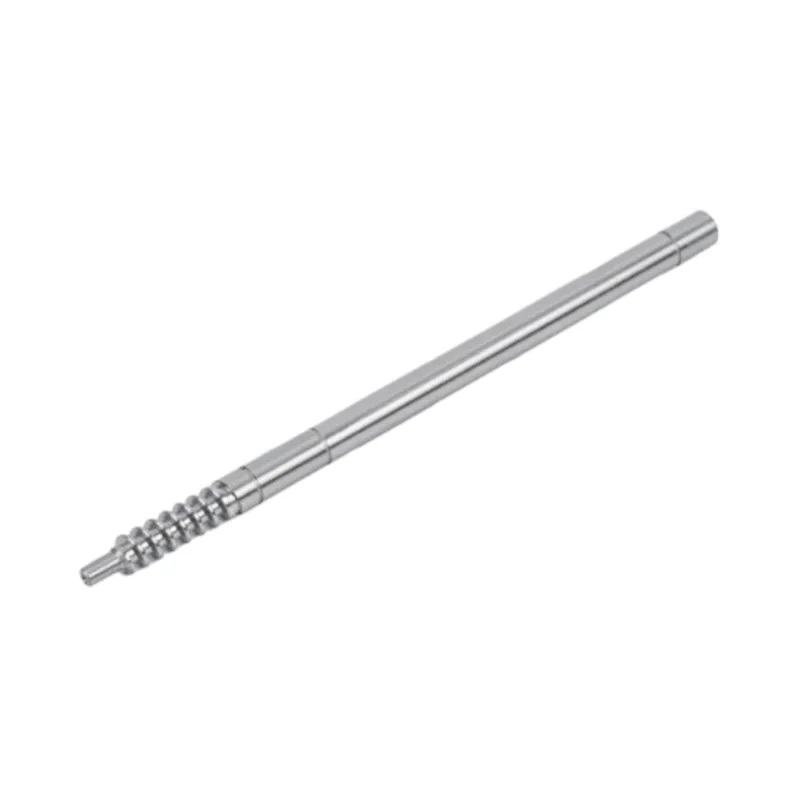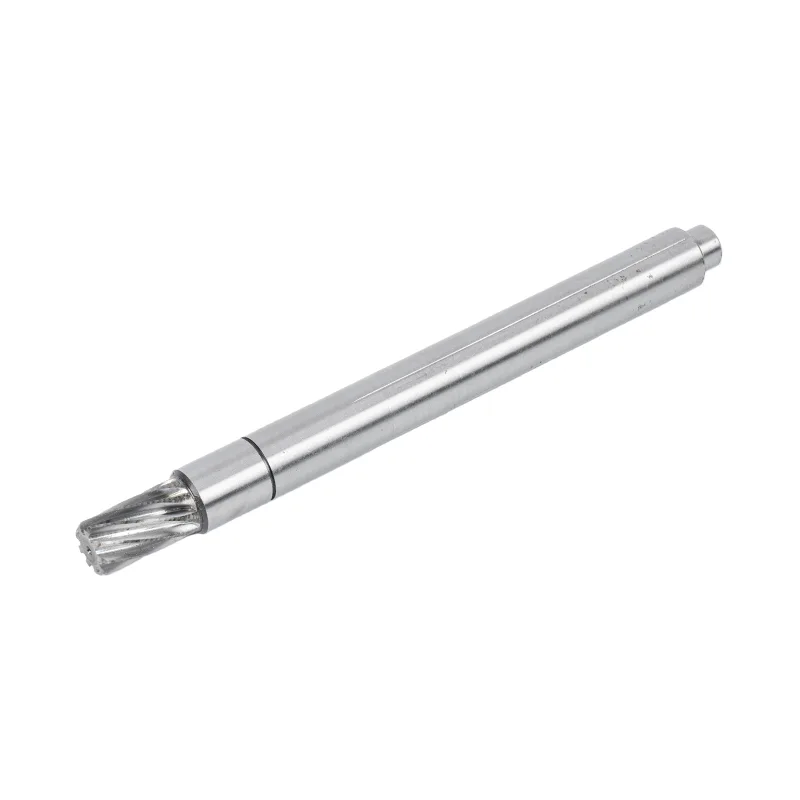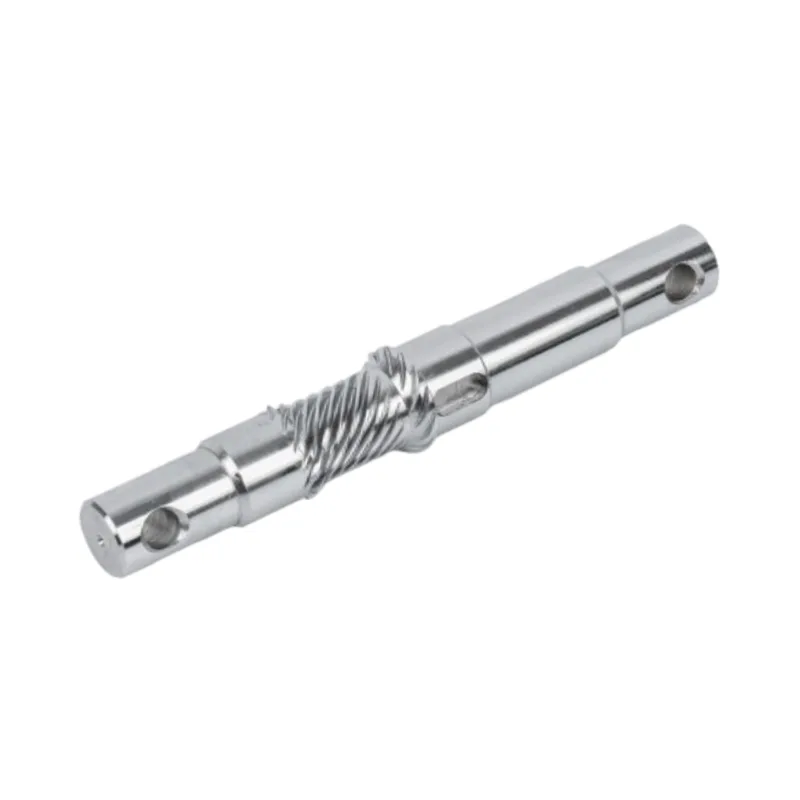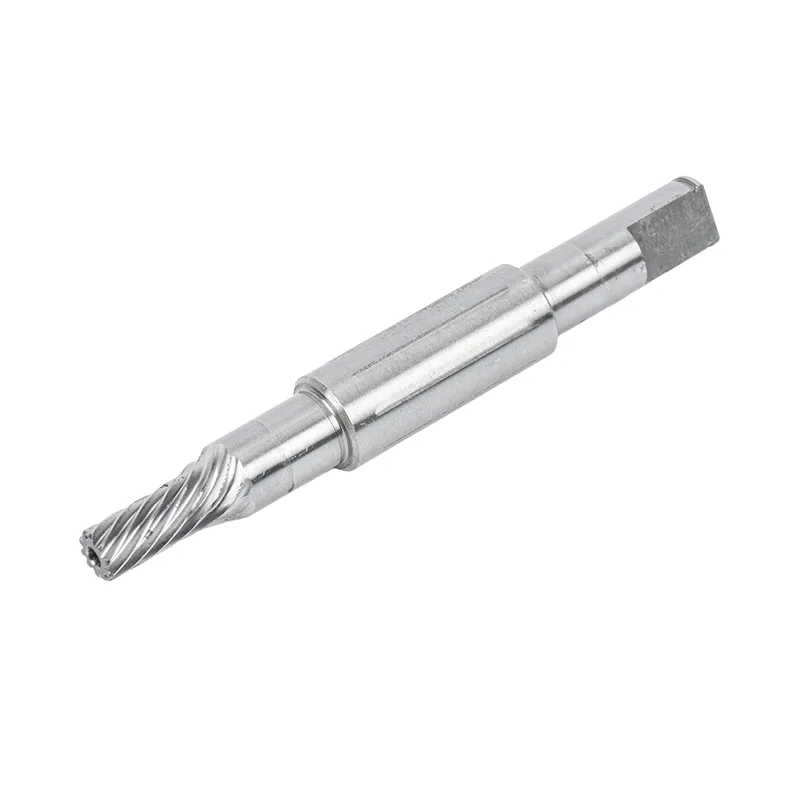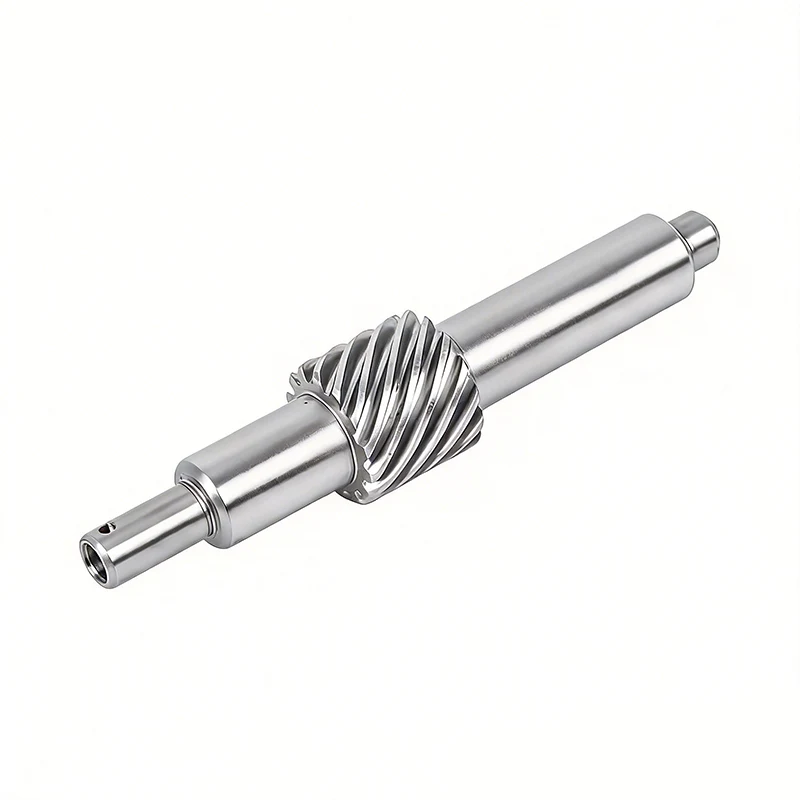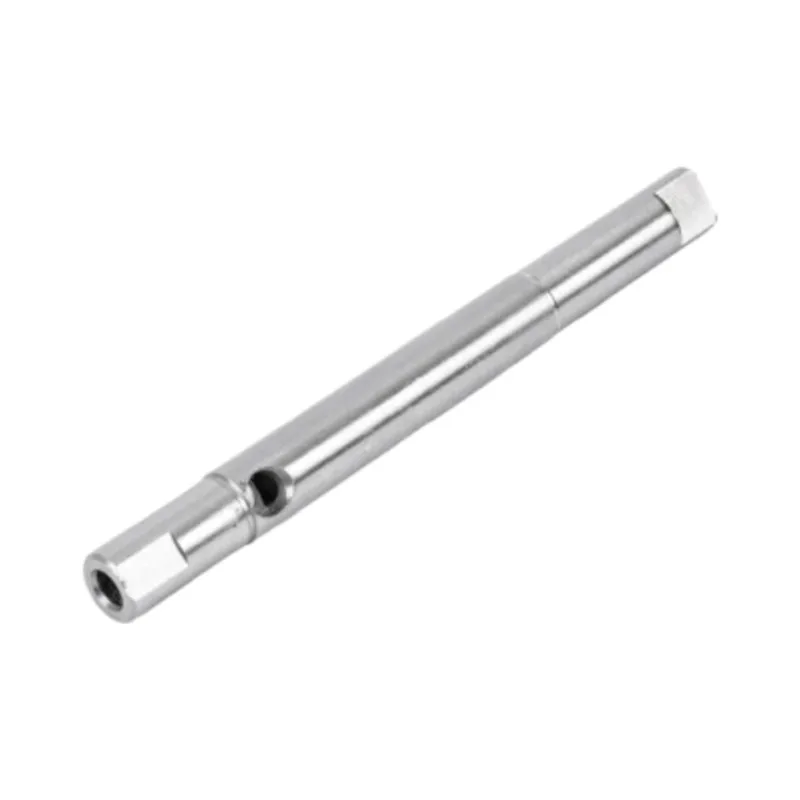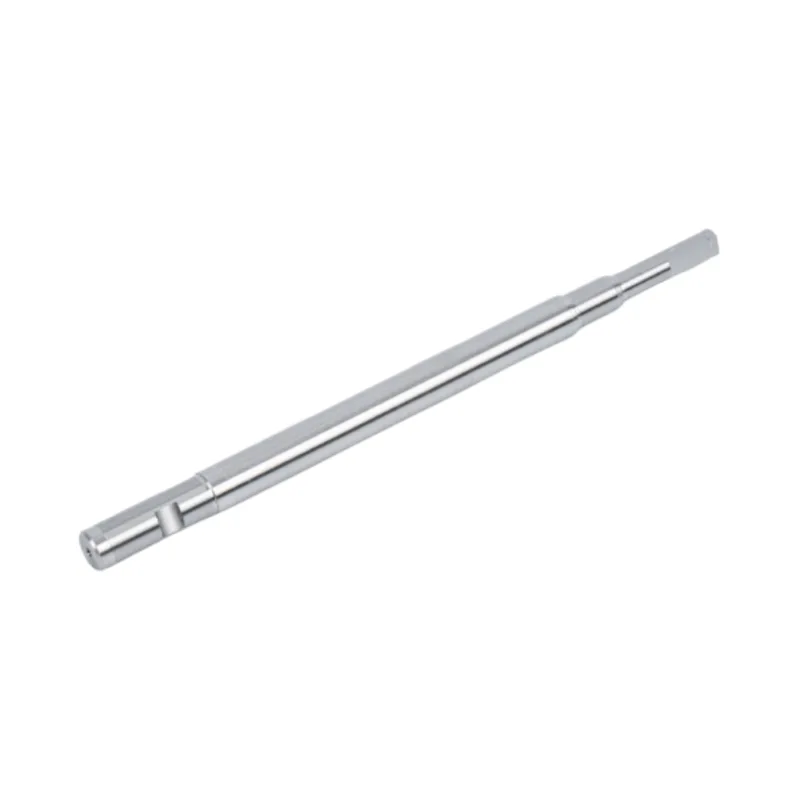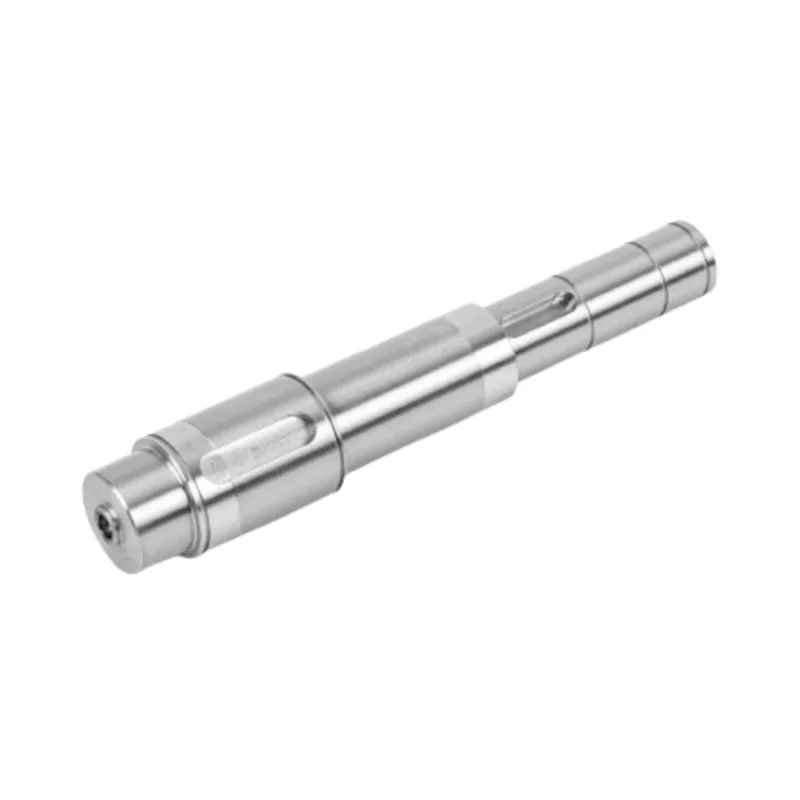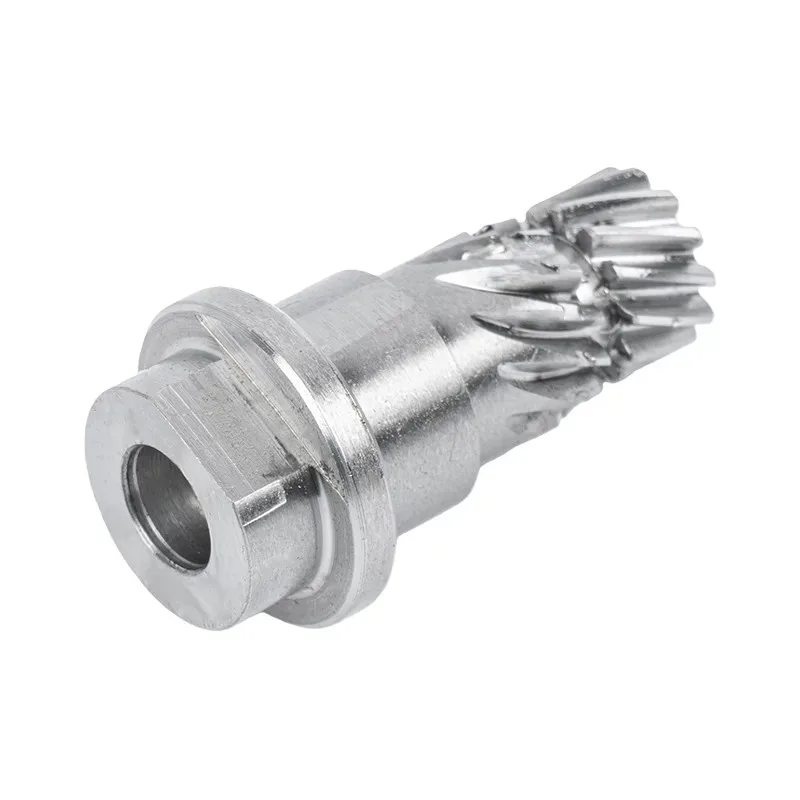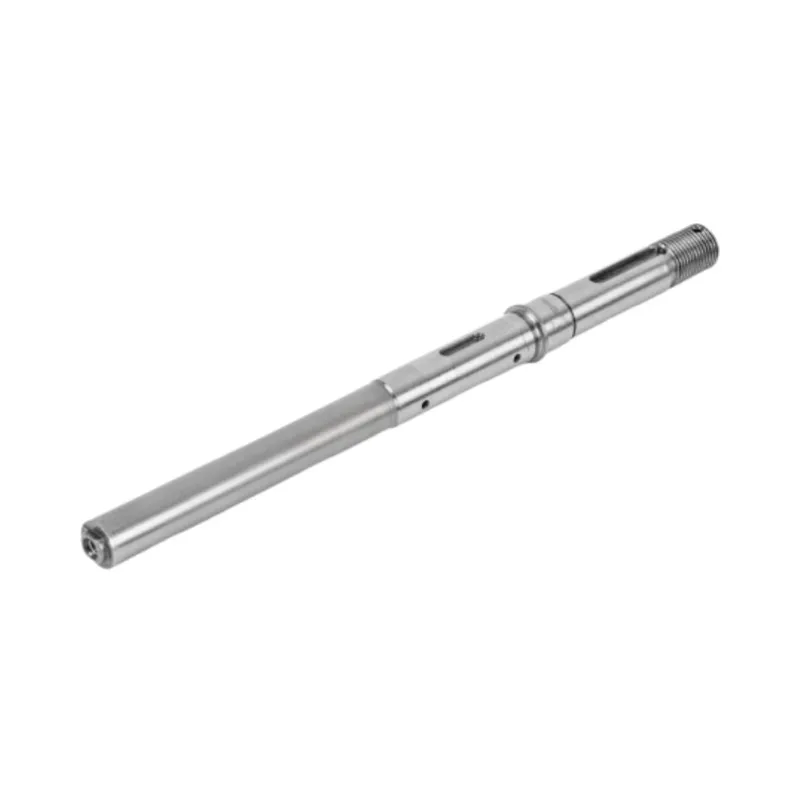
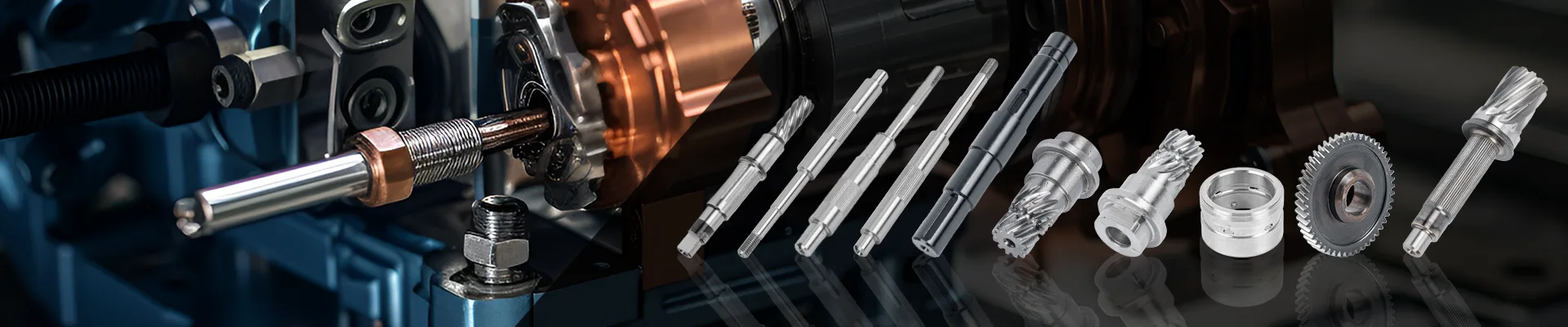
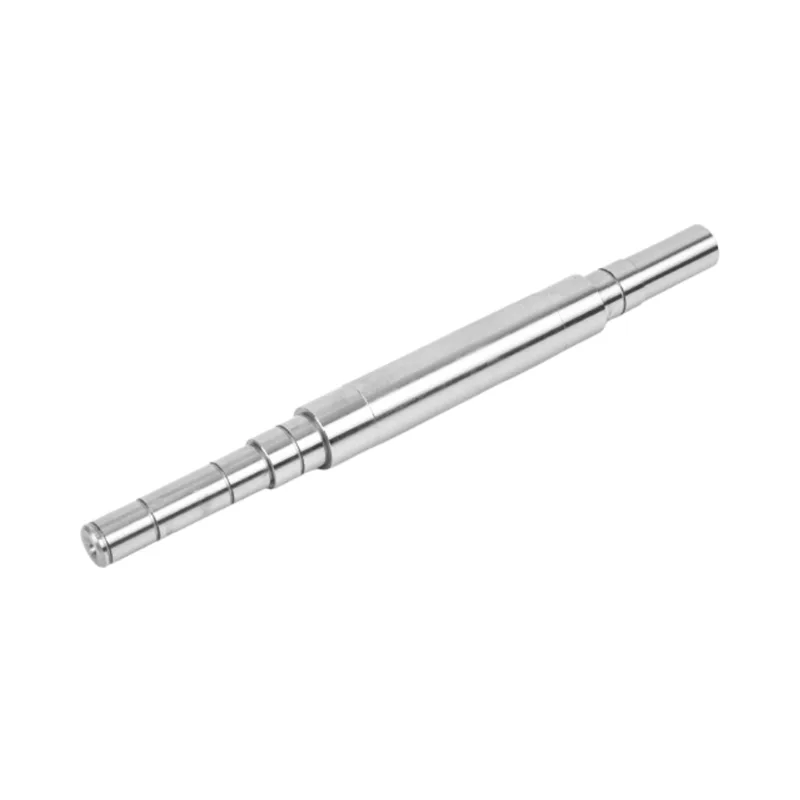
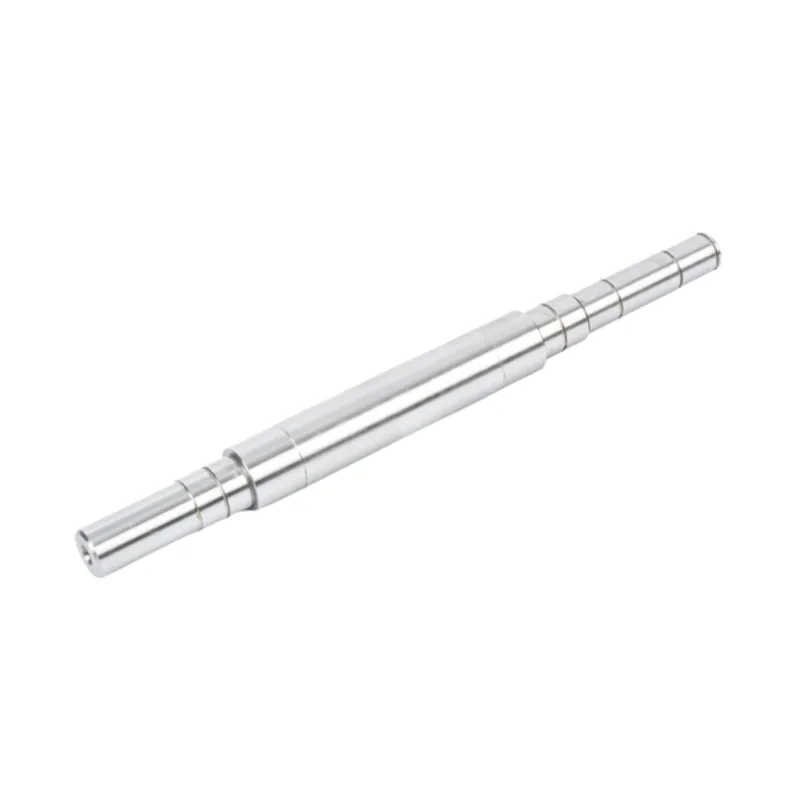
Whether it is turning, milling, grinding, or quenching and tempering, as well as surface hardening treatment, the Carbon steel motor shaft produced by Guanshu manufacturers can all be easily achieved. During mass production, the dimensional consistency is particularly good, and it can fully meet the requirements for quality and stability in large-scale procurement.
After undergoing professional quenching and tempering treatment, the tensile, bending and torsion properties of the shaft are perfectly balanced, and the strength requirements under normal load conditions can be fully met. The surface treatment is also flexible, and it can be treated in black, galvanized, chrome-plated or phosphated according to your needs. Rust prevention and wear resistance can be selected as per your requirements, and it can adapt to the protective standards of most industrial environments.
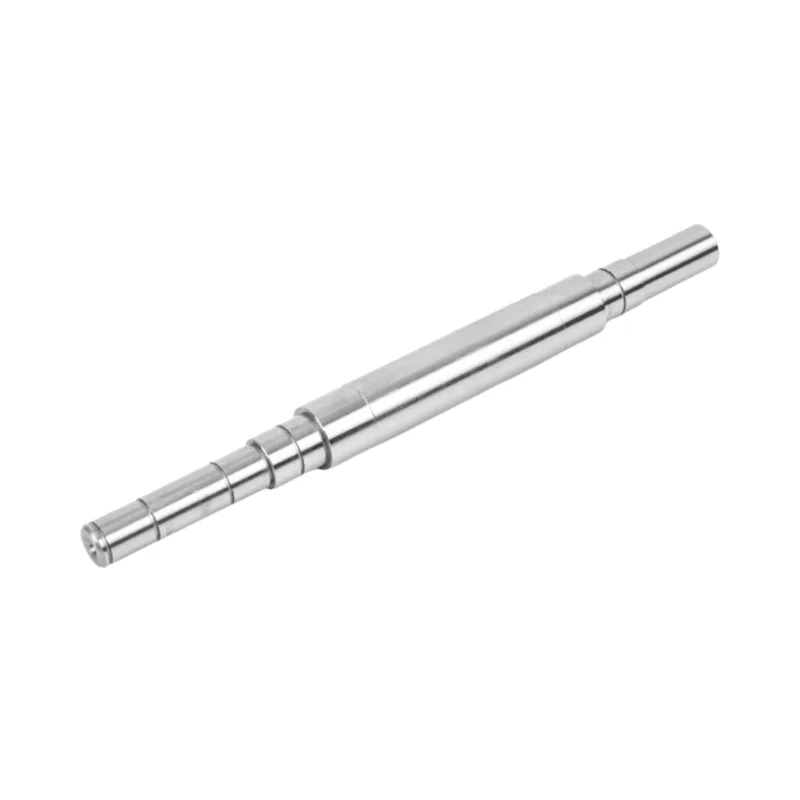
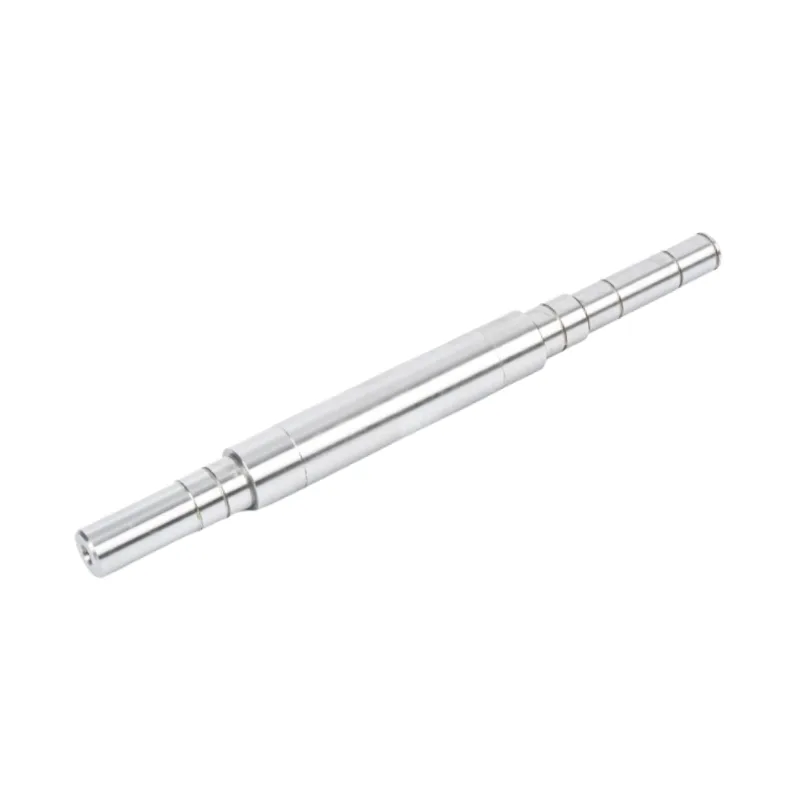
Most of our carbon steel motor shafts adopt standard straight shaft or stepped shaft structures. The keyways, threads and D-shaped planes all comply with industry standards. No additional customization is required; they can directly fit various equipment such as motors, fans, pumps, etc. The versatility is top-notch. The inventory is also abundant, and the delivery time is guaranteed. There is no need to worry about delaying the production schedule.
The "Carbon Steel Motor Shaft" serves as the "power transmission bridge" between the motor and the equipment. Its core function is to transfer the rotational torque generated by the motor, thereby enabling the equipment to operate normally.
One end of it is connected to the rotor of the motor, receiving the power generated by electromagnetic induction. The other end precisely connects to load equipment such as fans, pumps, and ordinary motors through standardized key slots, threads, and other structures, smoothly and without loss transmitting the power to ensure the stable operation of the equipment.
The rigidity and strength of the shaft itself can effectively support rotating components such as the motor rotor, maintain the accuracy of the internal structure, prevent problems such as deviation and vibration during operation, and indirectly extend the service life of the equipment. Whether it is a small motor in industrial production or a driving component in daily equipment, it can perform stably and adapt to various conventional working conditions.
Before use, no complicated preparations are required. First, confirm whether the specification of the motor shaft matches your equipment - the key points are to check the diameter runout (≤ 0.01 to 0.02 millimeters), the end internal thread holes (M3 to M12), and the surface roughness (Ra 0.8 to Ra 1.6). Only when the specifications match can the installation and operation be smooth.
During installation, simply align it directly with the device interface. Use the standardized keyways and threads to secure it firmly without the need for additional adapter parts. The process is very straightforward. After installation, perform a no-load test run first to check for any abnormal sounds, vibrations, or deviations. Confirm there are no issues before putting it into normal use.
This motor shaft is mainly designed for regular load conditions and should not be used in environments with excessive load, high temperatures, or strong corrosion. If the operating environment of the equipment has slight corrosion, it is recommended to choose models with galvanized or chrome-plated surface treatments, which can better extend the service life.
The maintenance of this Carbon steel motor shaft is very convenient. With just a little attention in daily use, it can last longer. Regularly inspect the surface of the shaft to check for any wear, rust, or scratches. Especially if the surface treatment layer is fall off, it is necessary to promptly reapply protection to prevent the shaft from rusting.
During operation, it is necessary to add an appropriate amount of lubricating oil to the connection points between the shaft and the bearings from time to time. This can reduce friction loss and also lower the operating noise. If you notice any deformation, cracks in the shaft, or obvious vibration and abnormal sounds during operation, you should stop the machine immediately and replace it.
|
surface roughness |
Ra0.8~Ra1.6 |
diameter runout |
≤0.01~0.02 mm |
|
Internal threaded holes at the end |
M3~M12 |
|
|
Address
Qingqing Road 268-1, Jiaochuan Sub-district, Zhenhai District, Ningbo City, Zhejiang Province, China
Tel