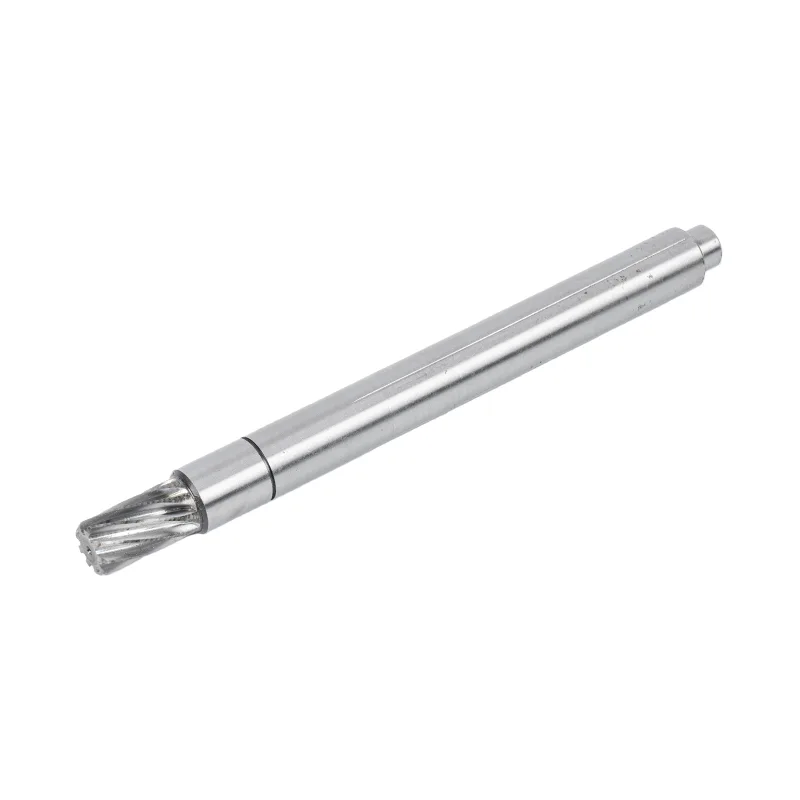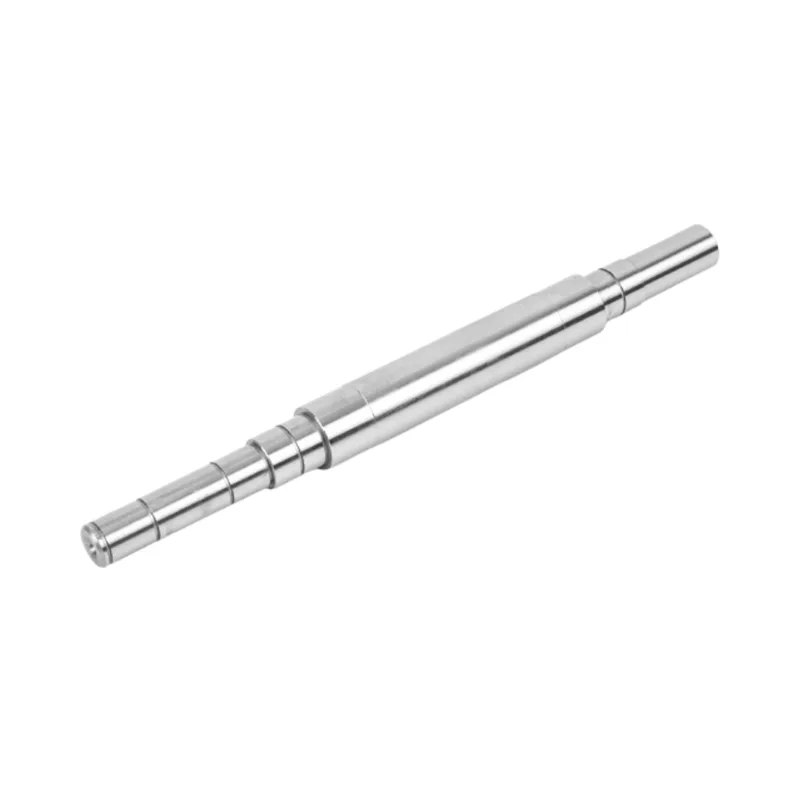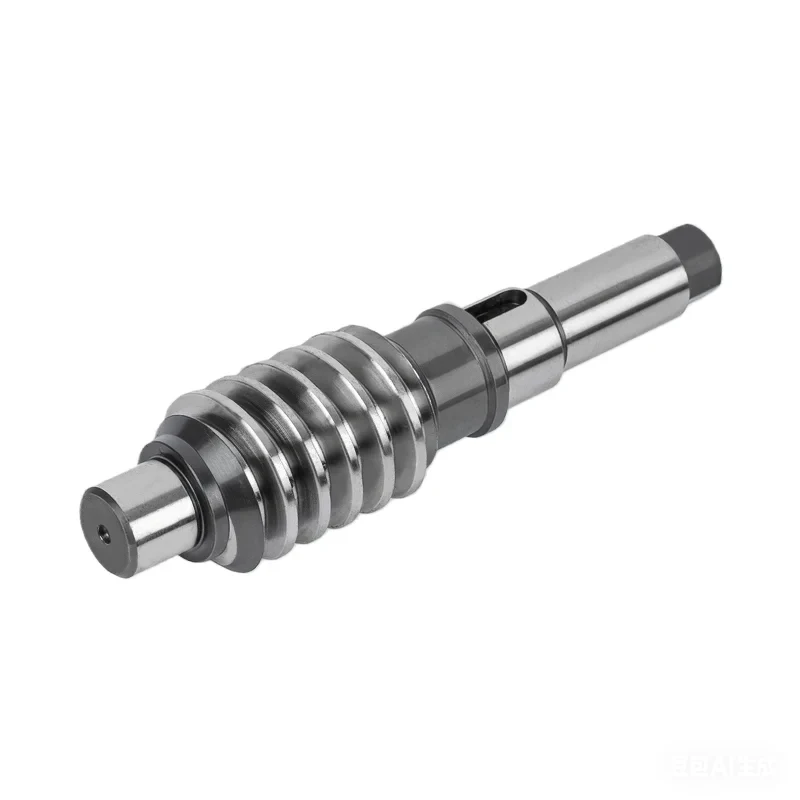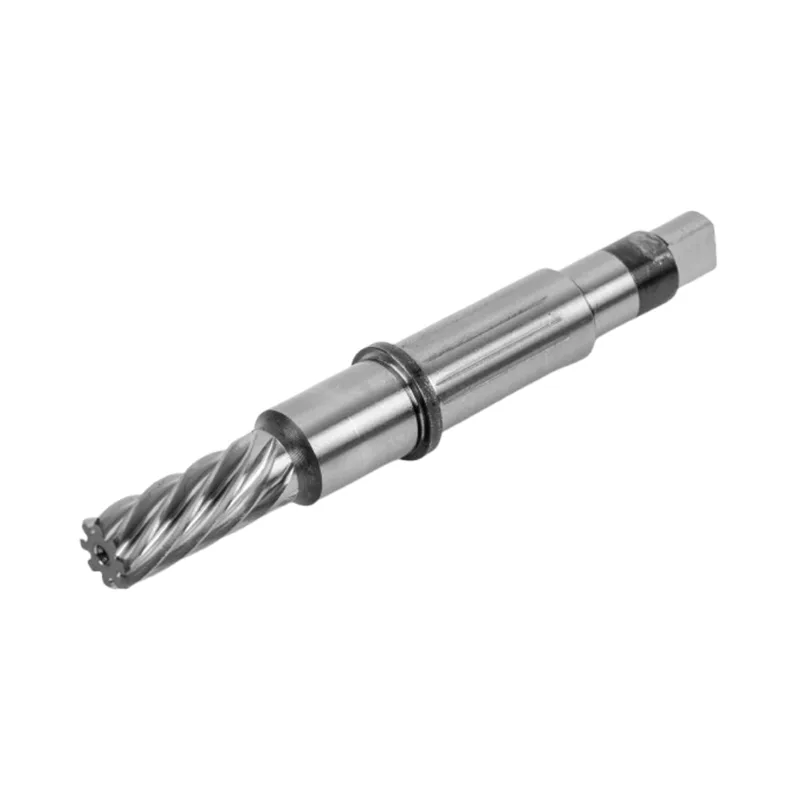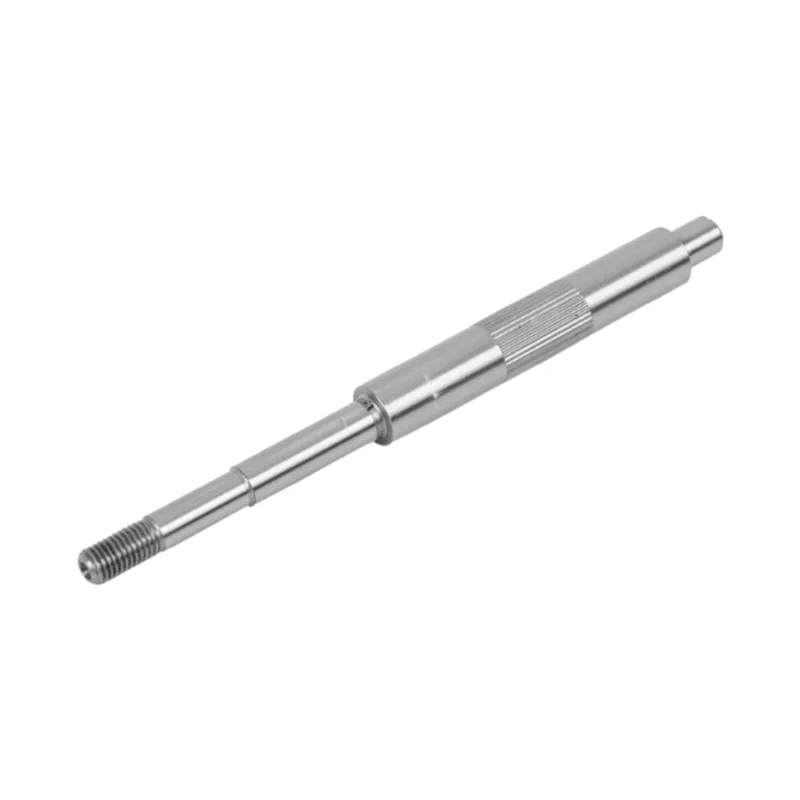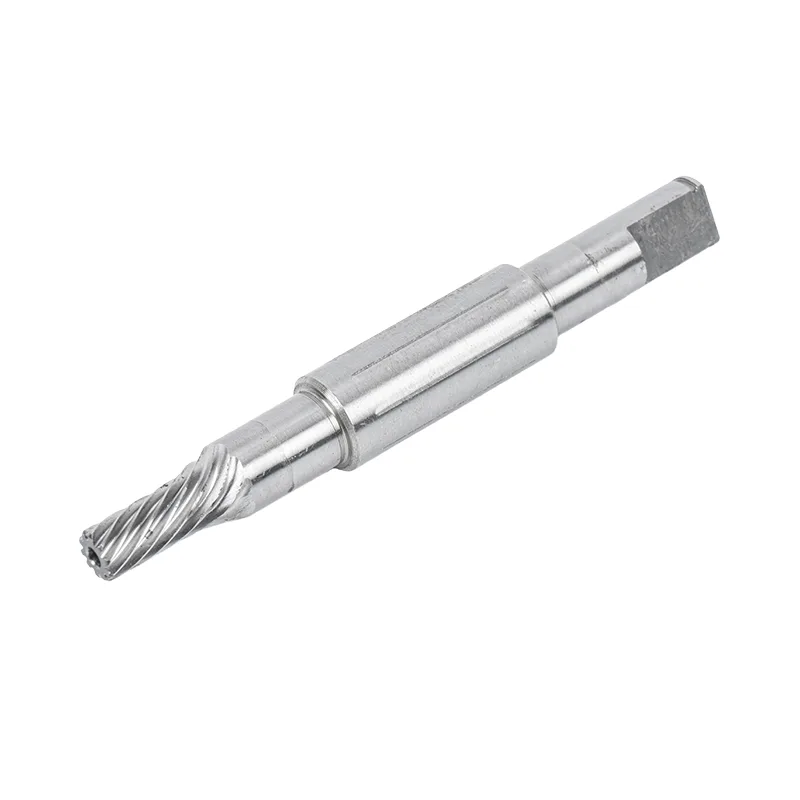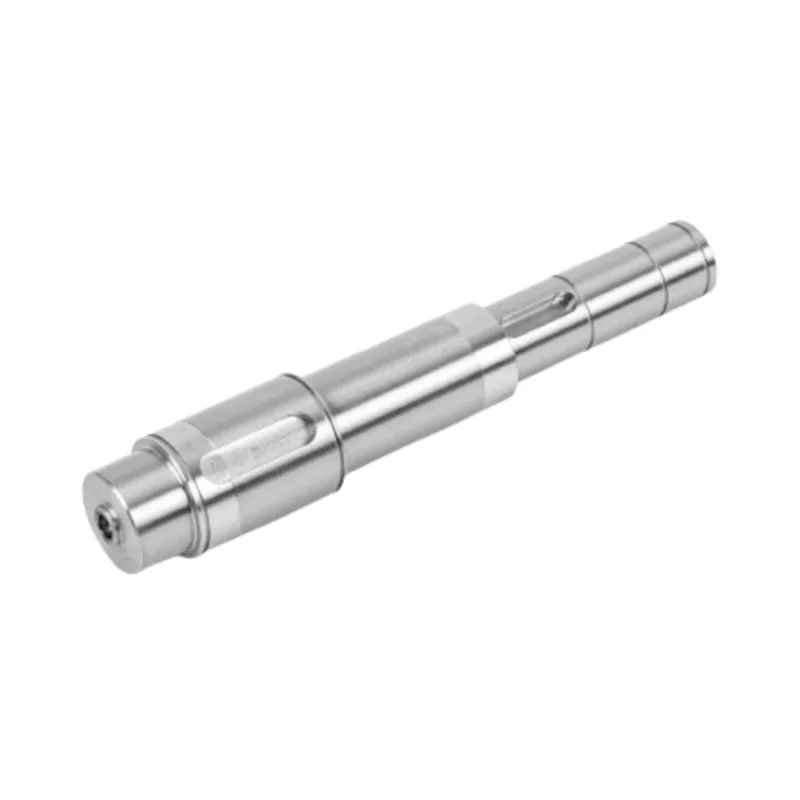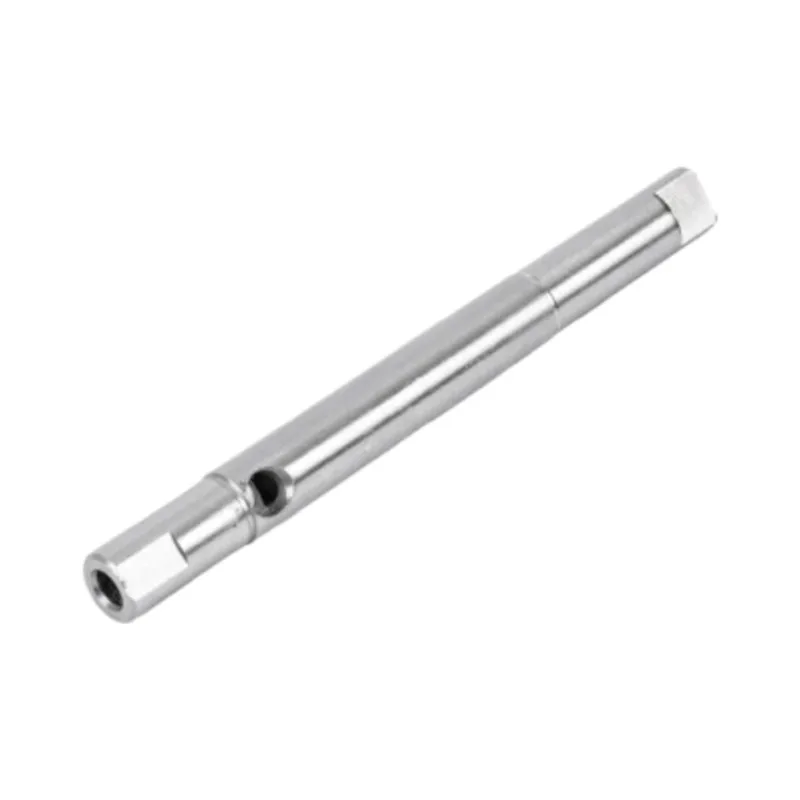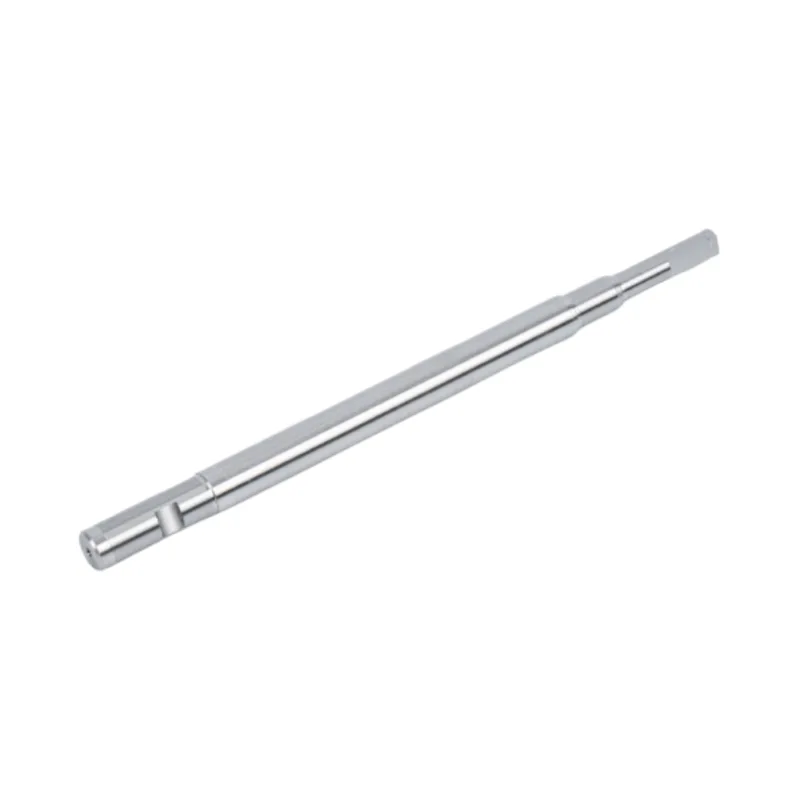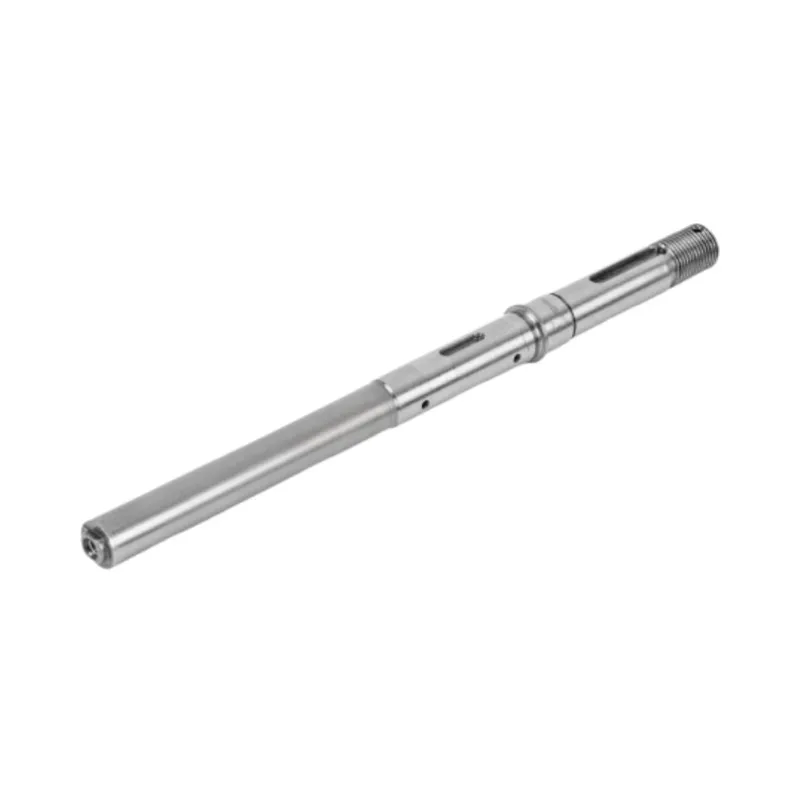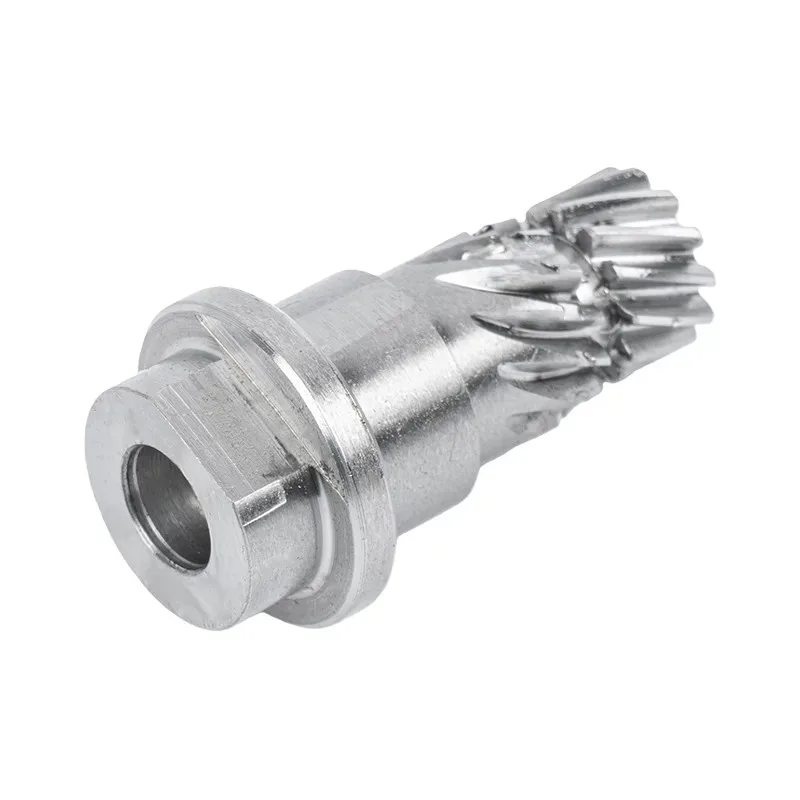

As industrial automation continues to evolve, manufacturers demand lighter, stronger, and more efficient motion transmission solutions. Hollow motor shaftshave become a critical component in robotics, CNC machinery, electric vehicles, medical equipment, packaging systems, and precision automation devices. Their ability to reduce weight, simplify cable routing, improve rotational performance, and optimize mechanical efficiency makes them an increasingly preferred solution across industries.
This comprehensive guide explores everything you need to know about Hollow Motor Shaft technology, including design principles, advantages, materials, manufacturing methods, industrial applications, maintenance tips, selection strategies, and common customer concerns. Whether you are an engineer, procurement manager, equipment manufacturer, or automation specialist, this article will help you make informed decisions.
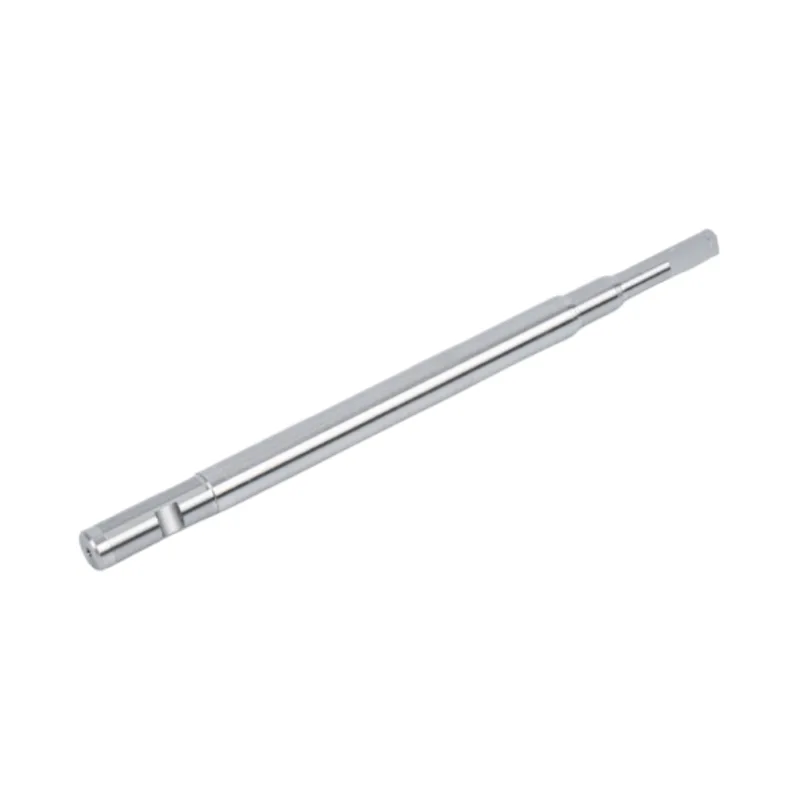
A Hollow Motor Shaft is a cylindrical mechanical component featuring a hollow center that allows wires, pipes, cooling systems, optical fibers, or other transmission elements to pass through the shaft itself. Unlike traditional solid shafts, hollow shafts are engineered to maintain structural strength while significantly reducing weight and improving system integration.
These shafts are commonly integrated into servo motors, stepper motors, robotic joints, direct drive systems, and precision automation equipment. Their design helps engineers optimize compact equipment layouts while improving rotational efficiency.
Modern manufacturers increasingly adopt hollow shaft designs because they simplify assembly, improve thermal management, and reduce mechanical inertia.
Industrial systems are becoming smaller, faster, and more intelligent. Traditional mechanical designs often struggle to meet these evolving requirements because solid shafts add unnecessary weight and limit internal routing possibilities.
Hollow motor shafts solve several engineering challenges simultaneously:
For robotics and automation applications, hollow shafts enable clean internal cable management, preventing external cable twisting or damage during rotational movement.
| Engineering Challenge | How Hollow Shafts Help |
|---|---|
| Heavy rotating systems | Reduce mass and rotational inertia |
| Cable clutter | Allow internal wire routing |
| High-speed vibration | Improve rotational balance |
| Compact equipment design | Save installation space |
| Thermal buildup | Enable cooling channel integration |
The popularity of hollow motor shafts comes from their ability to deliver multiple operational benefits at the same time.
1. Reduced Weight
One of the biggest advantages is weight reduction. Less material means lighter rotating parts, which directly improves acceleration and deceleration performance.
2. Improved Dynamic Response
Because hollow shafts have lower rotational inertia, motors respond faster during speed changes. This is especially valuable in CNC machines and robotic systems.
3. Internal Cable Routing
The hollow center allows electrical wires, pneumatic tubes, hydraulic lines, and sensors to pass safely through the shaft.
4. Better Energy Efficiency
Lighter rotating components require less energy to move, reducing overall power consumption.
5. Enhanced Cooling Capability
Some advanced hollow shaft systems integrate cooling channels to improve heat dissipation during high-load operation.
Material selection directly impacts shaft performance, durability, corrosion resistance, and cost.
| Material | Main Advantages | Typical Applications |
|---|---|---|
| Carbon Steel | High strength and affordability | General industrial equipment |
| Stainless Steel | Excellent corrosion resistance | Medical and food equipment |
| Alloy Steel | Superior fatigue resistance | Heavy-duty machinery |
| Aluminum Alloy | Lightweight construction | Robotics and aerospace |
| Titanium Alloy | High strength-to-weight ratio | Advanced aerospace systems |
Selecting the proper material depends on operating load, rotational speed, environmental exposure, temperature range, and expected service life.
Producing a precision hollow motor shaft requires advanced machining capabilities and strict quality control.
Common manufacturing methods include:
Among these processes, CNC machining is especially important because it ensures dimensional accuracy and concentricity.
Precision manufacturers like Ningbo Guanshuo Precision Hardware Co., Ltd. focus heavily on tight tolerances and advanced inspection systems to ensure consistent product quality.
Hollow motor shafts are widely used in modern industrial sectors because of their versatility and efficiency.
| Industry | Application Examples |
|---|---|
| Robotics | Robot joints and servo systems |
| Automation | Packaging and conveyor systems |
| Medical Equipment | Surgical robotics and imaging devices |
| Electric Vehicles | Motor drive systems |
| Aerospace | Lightweight motion systems |
| CNC Machinery | High-speed spindle systems |
| Semiconductor Manufacturing | Precision wafer handling |
Their ability to combine lightweight construction with high mechanical strength makes them especially valuable in industries requiring precision and speed.
| Feature | Hollow Shaft | Solid Shaft |
|---|---|---|
| Weight | Lighter | Heavier |
| Cable Routing | Internal routing possible | Not possible |
| Rotational Inertia | Lower | Higher |
| Energy Efficiency | Better | Moderate |
| Manufacturing Complexity | Higher | Lower |
| Cost | Usually higher | Usually lower |
While solid shafts remain suitable for some heavy-load applications, hollow shafts increasingly dominate high-performance systems requiring lightweight precision engineering.
Selecting the correct hollow shaft involves evaluating several technical factors.
Engineers should also evaluate dynamic balancing requirements for high-speed operation.
Many industrial buyers face recurring operational problems with conventional shaft systems.
Pain Point 1: Excessive Machine Weight
Heavy rotating systems reduce acceleration efficiency and increase motor energy consumption.
Solution: Hollow shafts reduce mass without sacrificing mechanical performance.
Pain Point 2: Cable Damage
External cable routing often causes twisting, wear, and accidental disconnection.
Solution: Internal routing protects sensitive wiring.
Pain Point 3: Limited Space
Compact machinery requires integrated component layouts.
Solution: Hollow shafts enable more efficient spatial design.
Pain Point 4: Vibration Issues
High-speed systems may suffer from imbalance and instability.
Solution: Precision-balanced hollow shafts improve stability.
Pain Point 5: Maintenance Difficulties
Complex assemblies often slow maintenance operations.
Solution: Hollow designs simplify system integration and accessibility.
Surface finishing significantly affects wear resistance, corrosion protection, and operational lifespan.
| Surface Treatment | Main Benefit |
|---|---|
| Chrome Plating | Wear resistance |
| Anodizing | Corrosion resistance for aluminum |
| Nitriding | Improved surface hardness |
| Black Oxide | Basic corrosion protection |
| Polishing | Reduced friction |
| Nickel Plating | Enhanced durability and appearance |
Selecting the appropriate treatment depends on operational environment and performance expectations.
Precision is one of the most critical aspects of hollow motor shaft manufacturing.
Even tiny dimensional deviations can cause:
High-quality manufacturers use advanced coordinate measuring machines, laser inspection systems, and dynamic balancing equipment to verify shaft accuracy.
Proper maintenance can dramatically improve shaft longevity and system reliability.
Predictive maintenance programs using vibration analysis and thermal monitoring are especially effective for high-speed industrial systems.
The future of hollow motor shaft engineering is closely connected with smart manufacturing and automation development.
Emerging trends include:
As automation systems become faster and more compact, hollow shaft solutions will continue expanding across industrial sectors.
Q1: Are hollow motor shafts as strong as solid shafts?
Yes. Properly engineered hollow shafts can achieve excellent torsional strength while reducing weight significantly.
Q2: What industries benefit most from hollow shafts?
Robotics, automation, aerospace, medical equipment, semiconductor manufacturing, and electric vehicles benefit greatly from hollow shaft technology.
Q3: Can hollow shafts support high-speed rotation?
Absolutely. Precision balancing and advanced materials allow hollow shafts to perform extremely well in high-speed applications.
Q4: Why are hollow shafts more expensive?
Their manufacturing process requires higher machining precision, specialized equipment, and stricter quality control.
Q5: How do I select the correct shaft material?
Material selection depends on load conditions, corrosion exposure, temperature, rotational speed, and industry requirements.
Q6: What is the biggest advantage of a hollow shaft?
The combination of reduced weight and internal routing capability is often considered the most valuable advantage.
Hollow Motor Shaft technology has become a vital part of modern industrial engineering. By reducing rotational inertia, improving cable management, enhancing system efficiency, and supporting compact equipment designs, hollow shafts offer significant advantages over conventional solid shaft systems.
From robotics and medical devices to CNC machinery and electric vehicles, industries increasingly depend on precision hollow shaft solutions to improve performance and reliability.
Choosing the right manufacturer is equally important. Precision machining expertise, strict quality control, material knowledge, and advanced manufacturing capabilities all contribute to long-term operational success.
Ningbo Guanshuo Precision Hardware Co., Ltd. specializes in precision-engineered hardware and custom hollow motor shaft solutions designed for demanding industrial applications. With advanced production technology and strict inspection standards, the company helps global customers achieve stable, efficient, and durable mechanical performance.
Looking for reliable and high-precision Hollow Motor Shaft solutions for your industrial equipment or automation systems?
Ningbo Guanshuo Precision Hardware Co., Ltd. is ready to support your custom manufacturing needs with professional engineering assistance, strict quality control, and competitive production capabilities.
Contact us today to discuss your project requirements, request technical support, or receive a customized quotation for your next precision hardware solution.