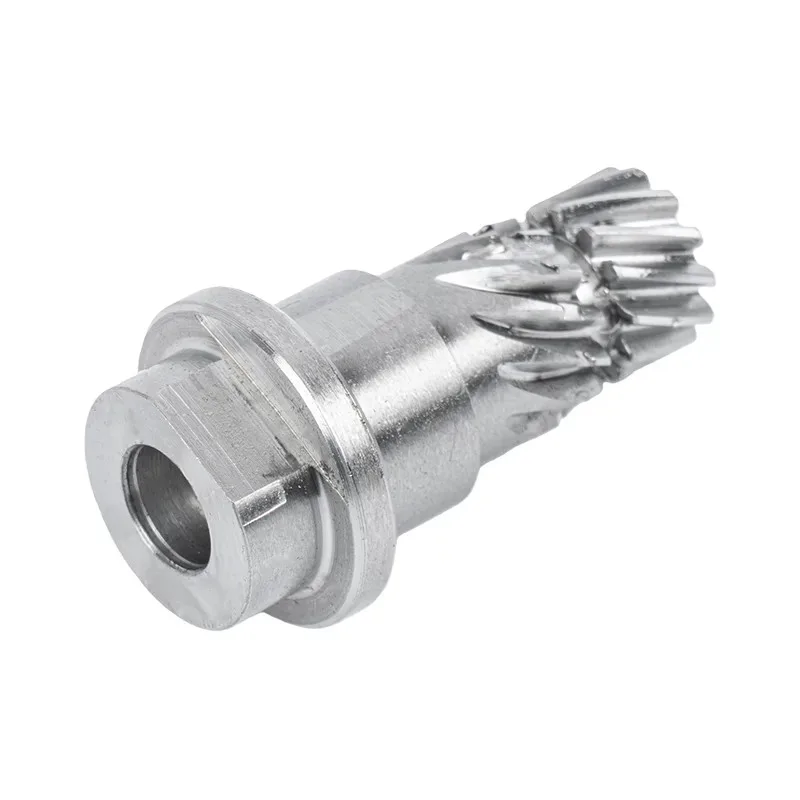
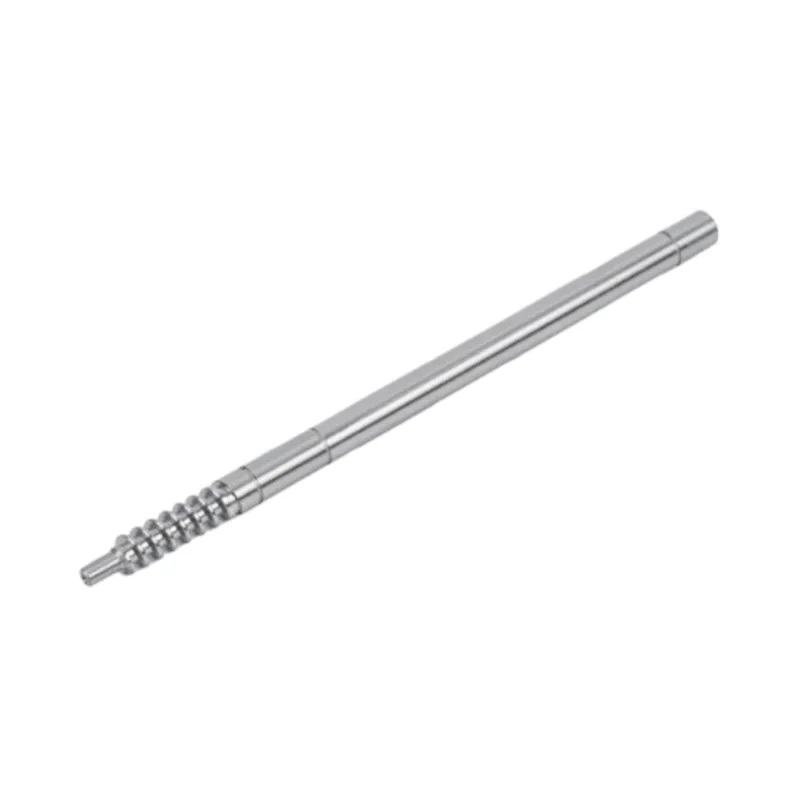
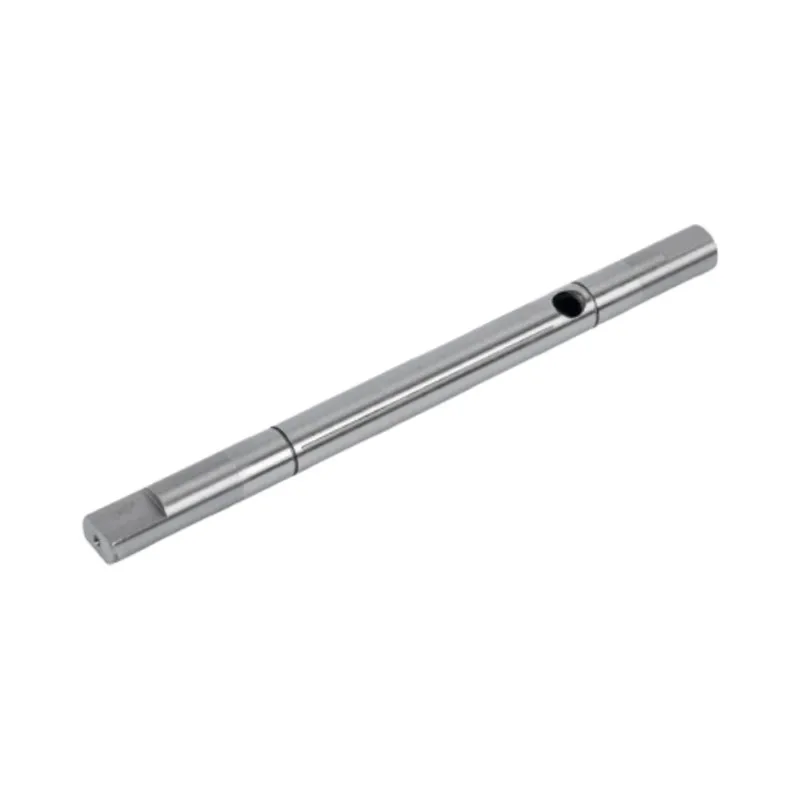
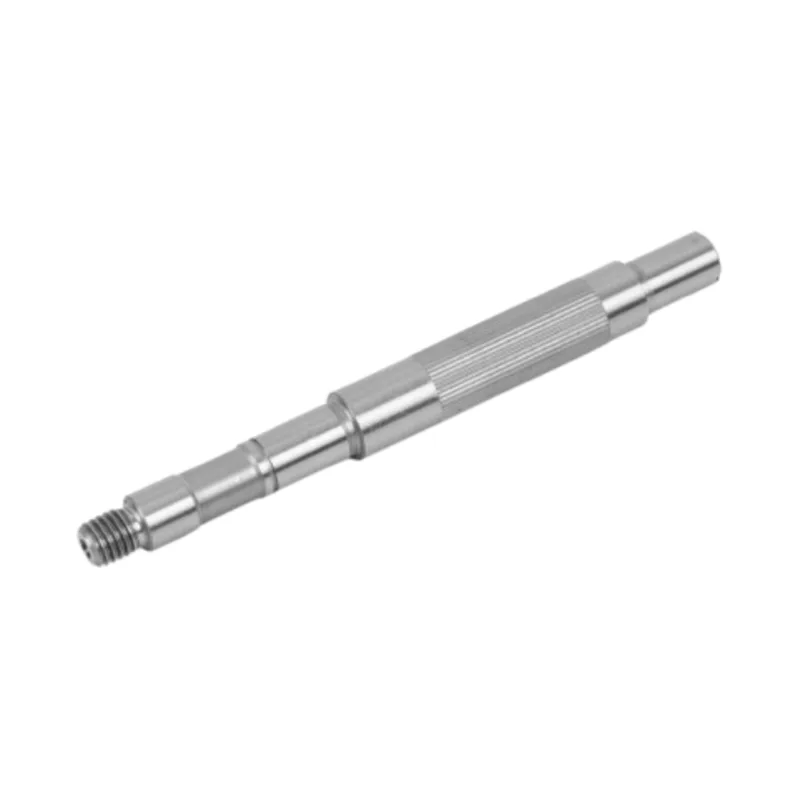
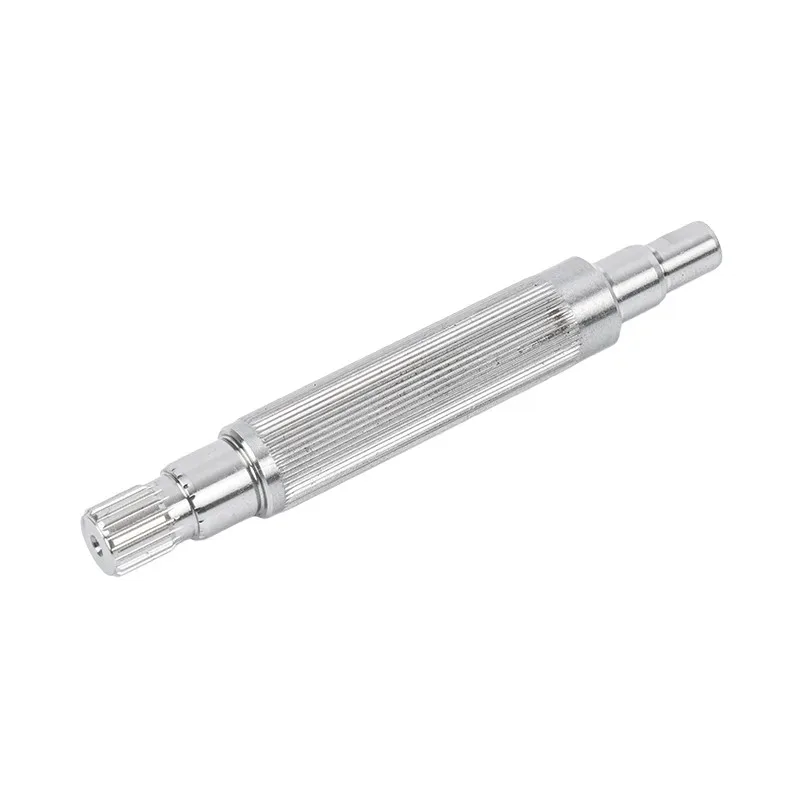
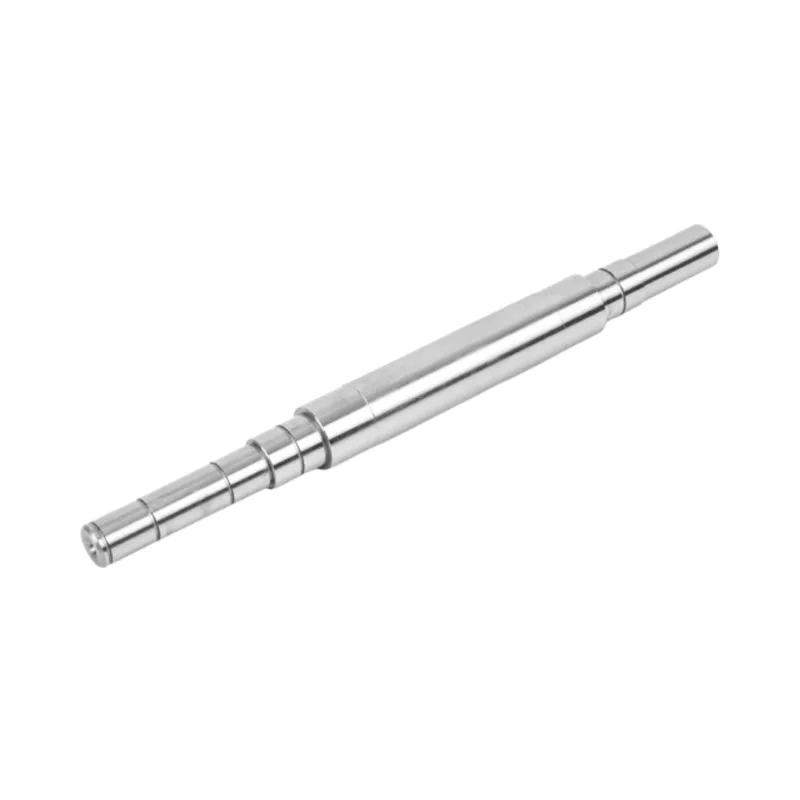
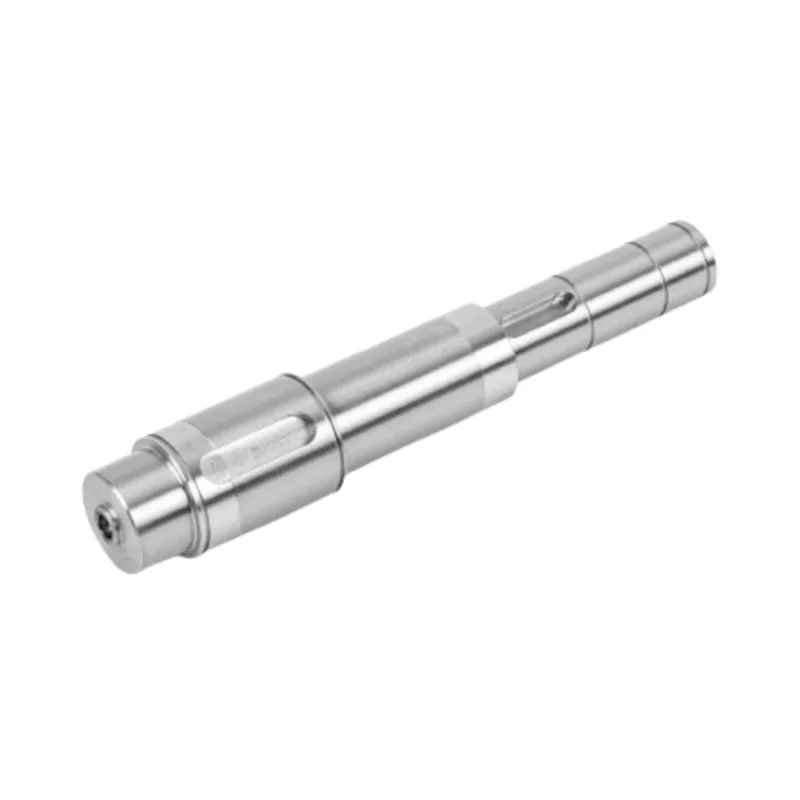
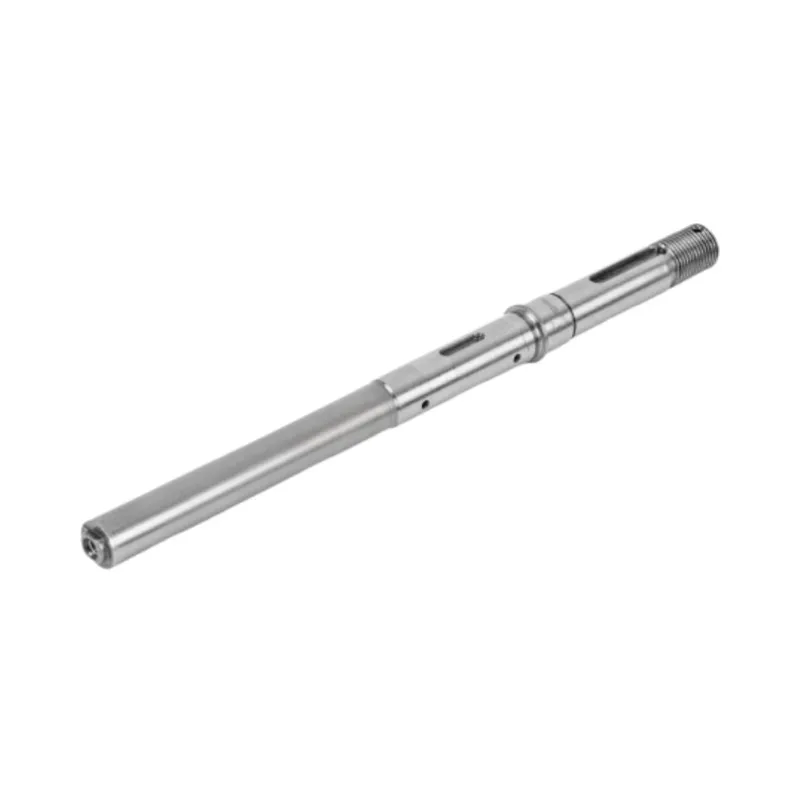
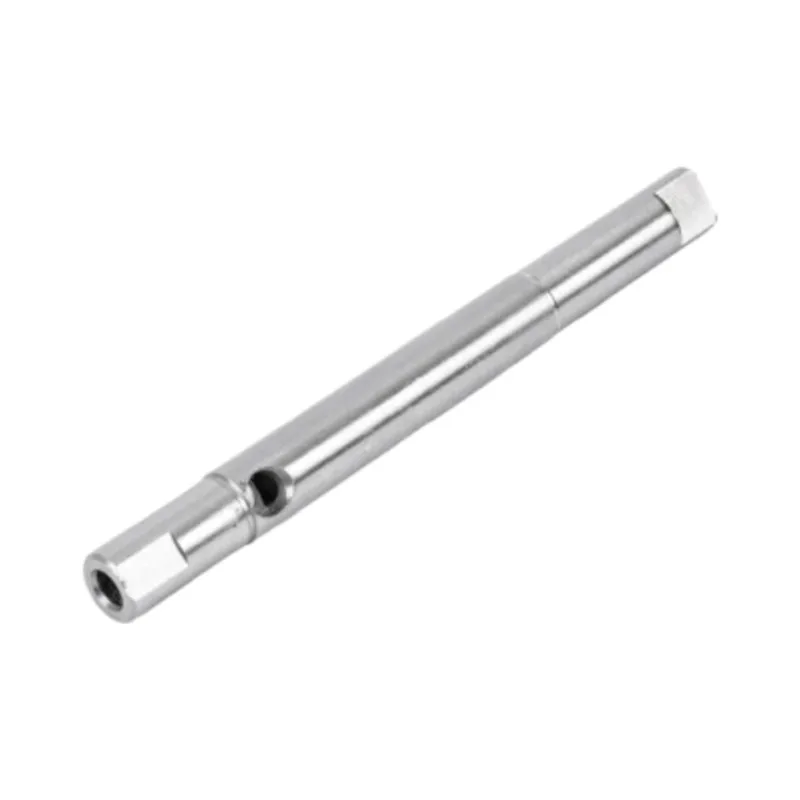
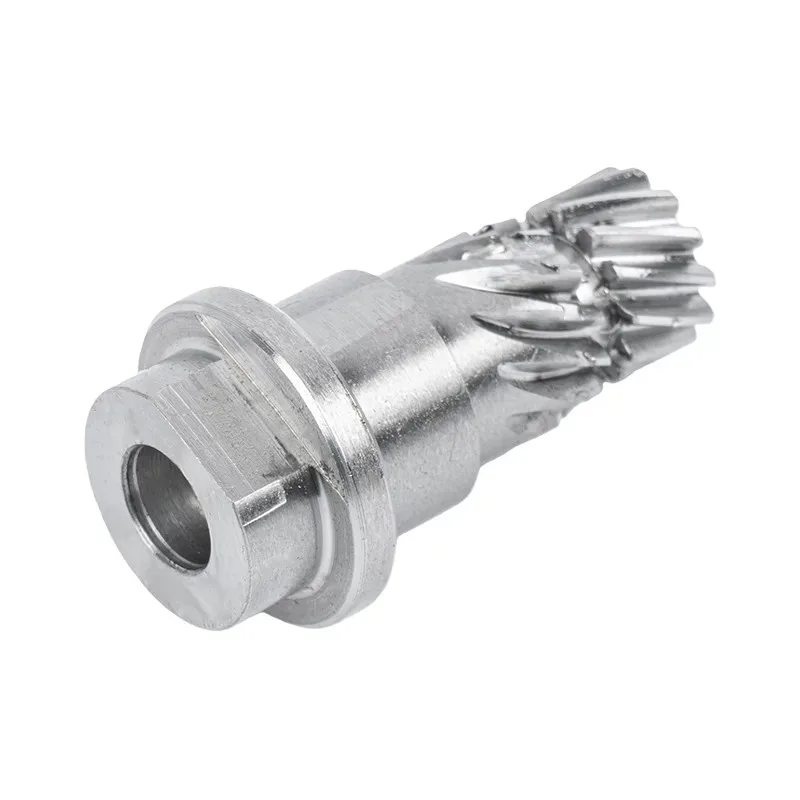
The core difference between solid and Hollow Motor Shaft in motors lies in structural and performance optimization: Solid Motor Shaft have a simple structure and low cost, while hollow shafts achieve weight reduction, improved stiffness, and heat dissipation efficiency through hollow design.
1. Structure and Design
Solid shaft: The shaft body is a solid cylindrical body with a simple structure, mature manufacturing processes (such as turning and grinding), and low cost.
Hollow shaft: There are through holes inside the shaft body, which makes the structure more complex. Manufacturing requires additional drilling and precision machining of the inner holes, resulting in higher costs.
2. Application scenarios
Solid shaft: widely used in small and medium-sized motors, general mechanical equipment, cost sensitive and load stable scenarios.
Hollow shaft: Used for large motors, high-speed motors, precision machine tool spindles, as well as situations where weight reduction, improved heat dissipation, or integration of other components (such as cables, sensors) are required.
3. Choose Suggestions
Choose solid spindle: pursue low cost, simple structure, stable load, and low requirements for weight and speed.
Choose an empty spindle: It is necessary to reduce weight, increase stiffness to weight ratio, enhance heat dissipation, or achieve a compact design, and the budget allows for it.
We use cookies to offer you a better browsing experience, analyze site traffic and personalize content. By using this site, you agree to our use of cookies.
Privacy Policy