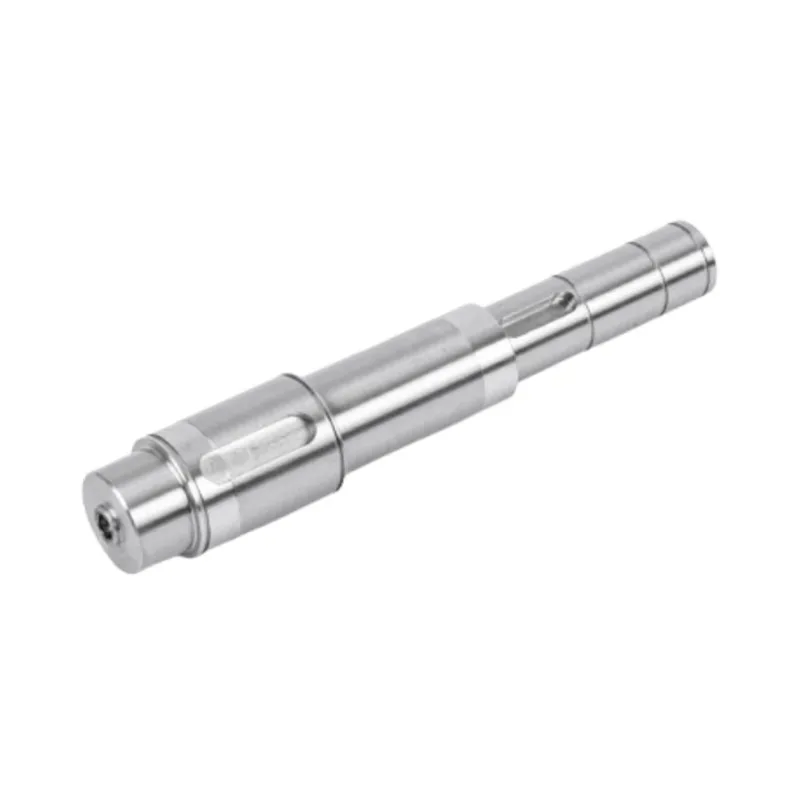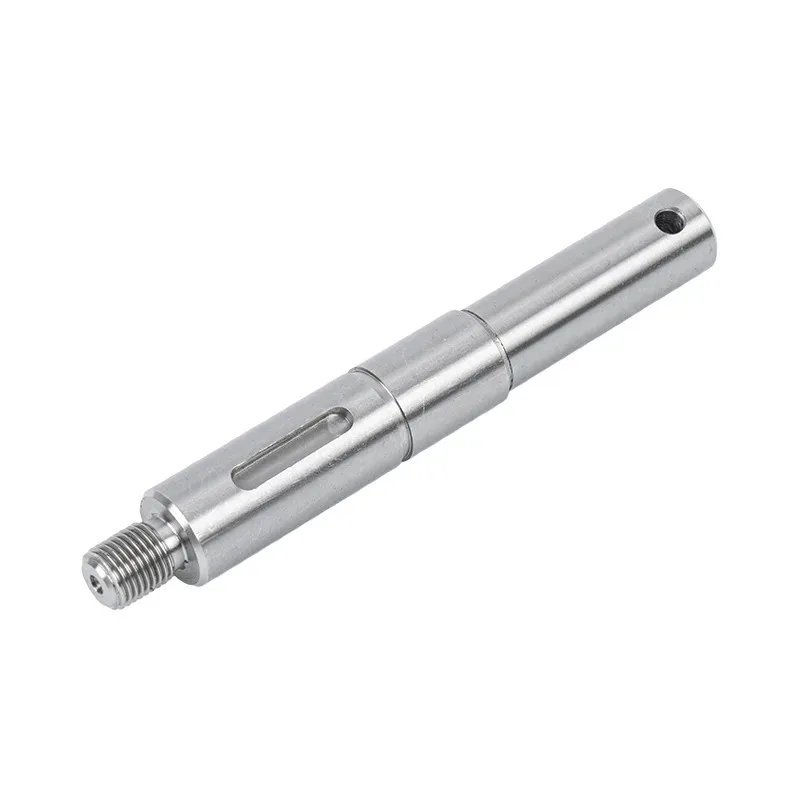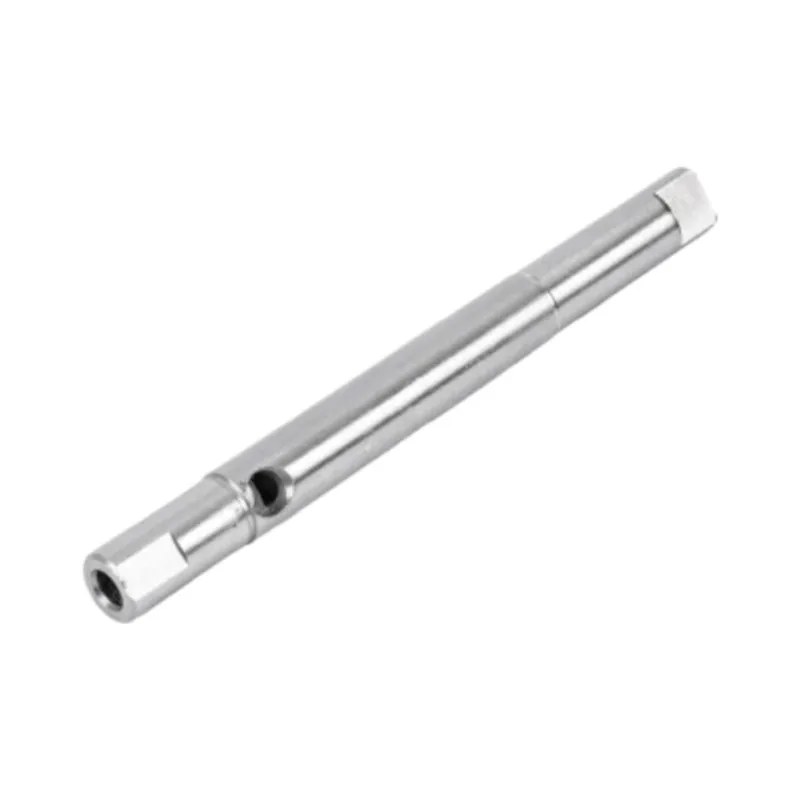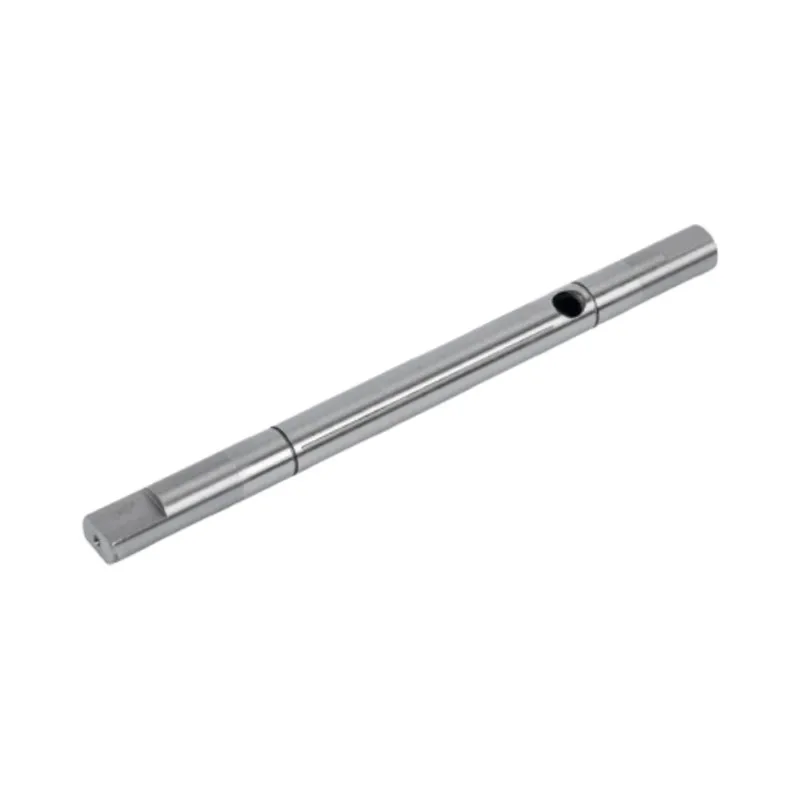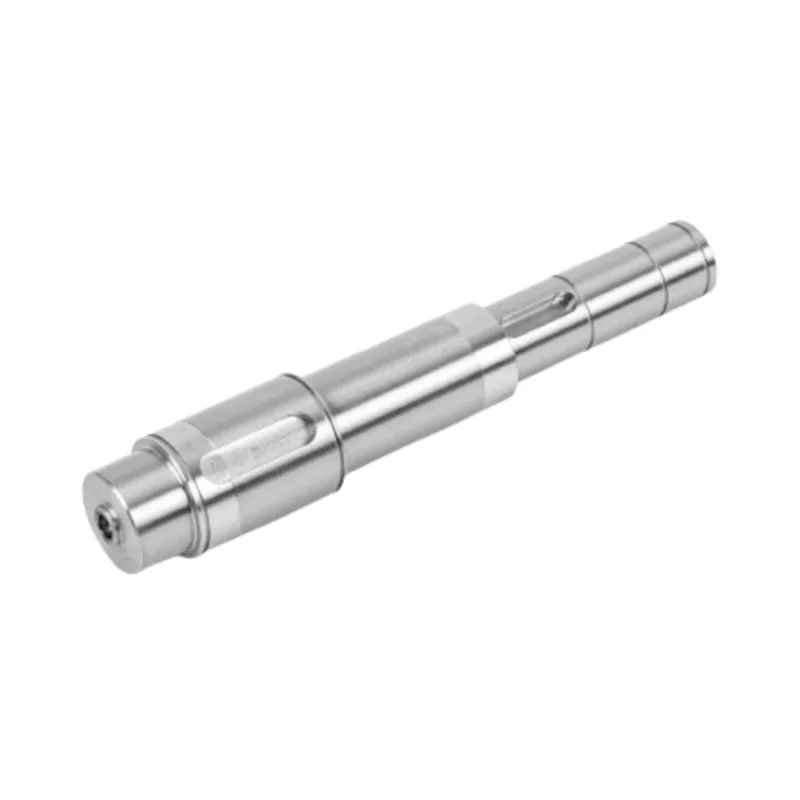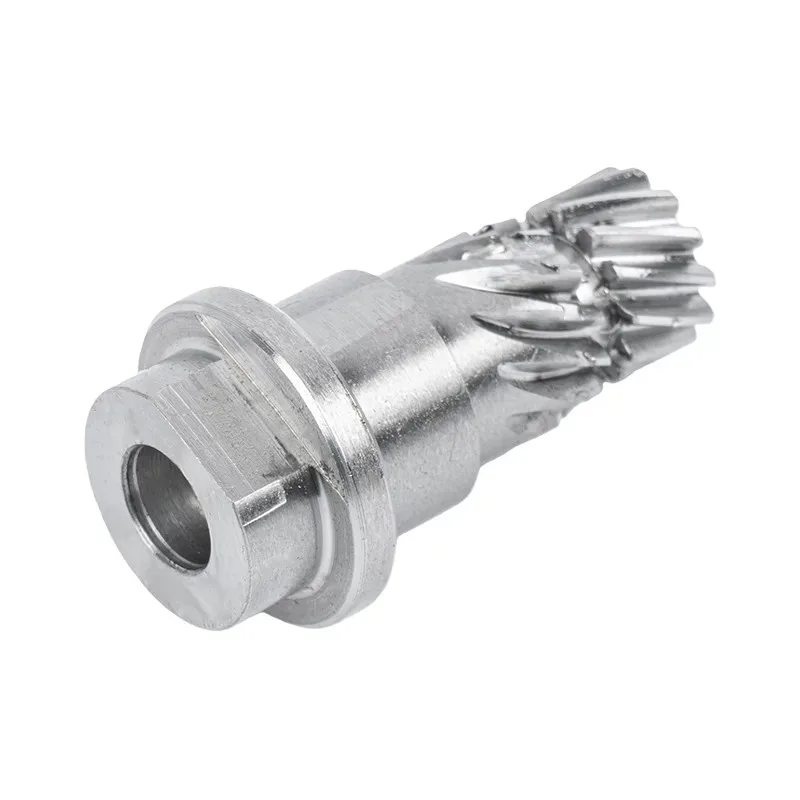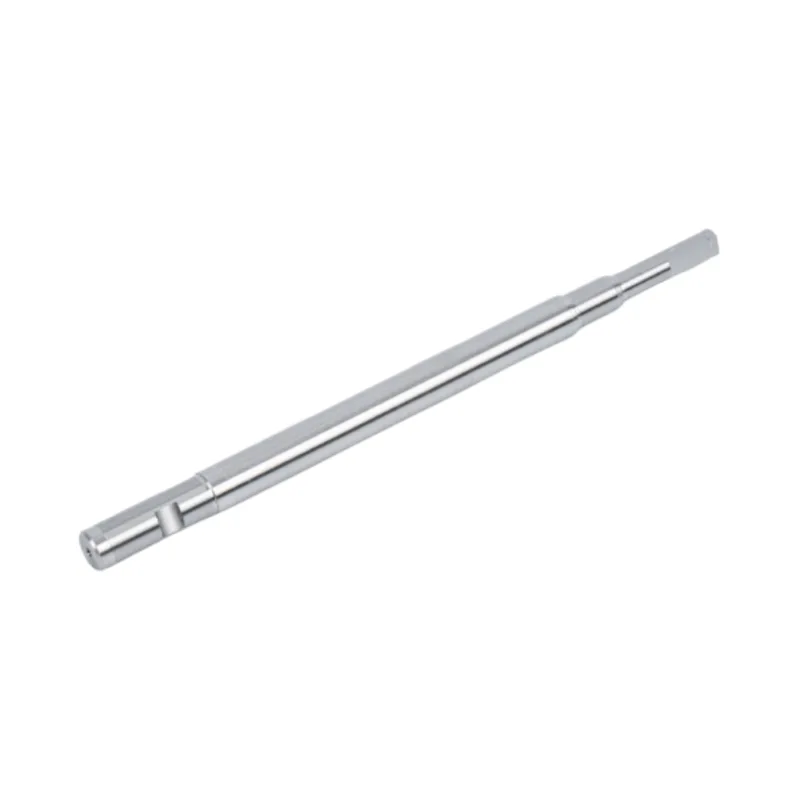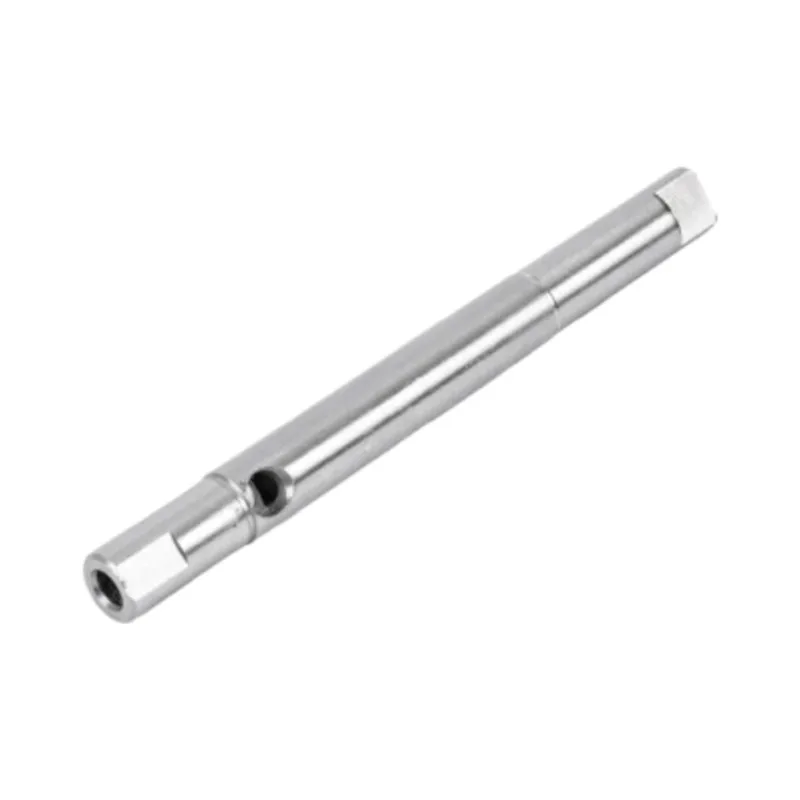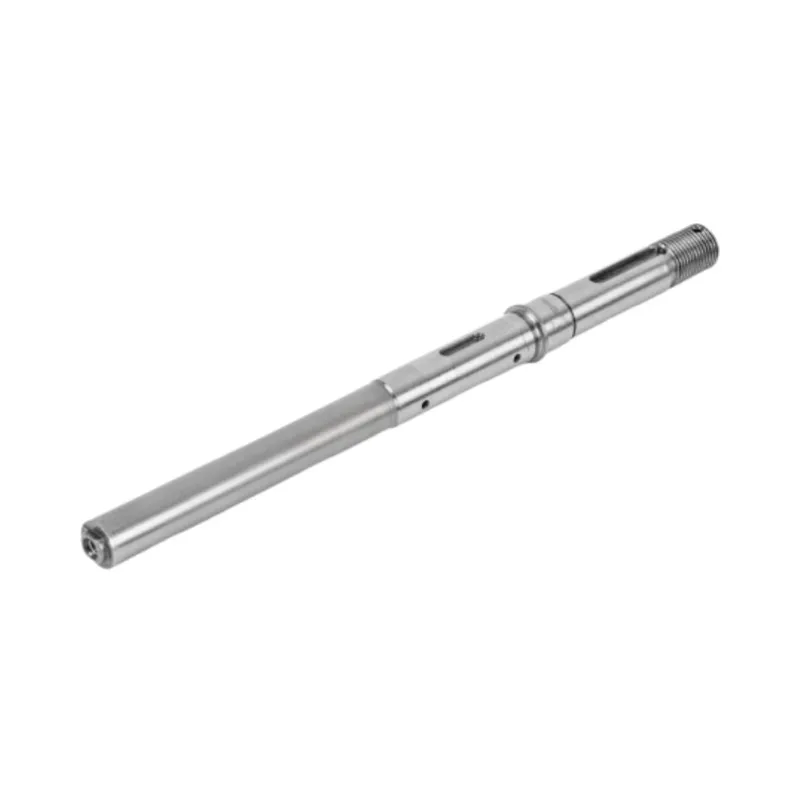
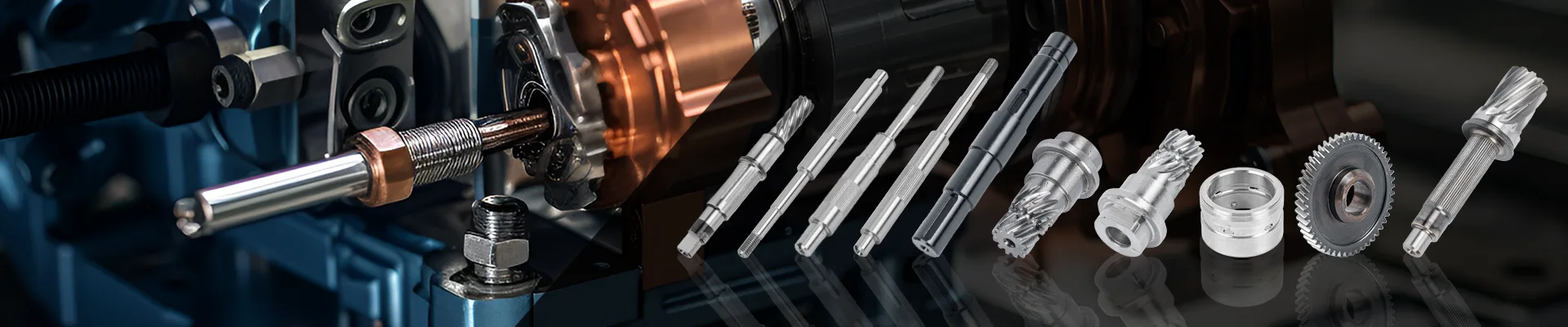
In the world of precision mechanical power transmission, the integrity of the connection between a motor and its driven component is paramount. At the heart of this critical link often lies a Keyway Motor Shaft. This component is far more than a simple piece of machined metal; it is an engineered solution designed to transmit torque efficiently and prevent rotational slippage. For engineers, OEM designers, maintenance professionals, and procurement specialists, selecting the correct keyway shaft is a decision that directly impacts performance, safety, and operational longevity. This guide delves into the technical details, standards, and practical considerations surrounding keyway motor shafts, highlighting the precision engineering synonymous with the Guanshuo brand. Our Keyway Motor Shaft series includes products such as Double Keyed Slot Motor Shaft, Single Keyway Motor Shaft, and others.
A keyway motor shaft features a longitudinal slot machined along a portion of its length. This slot, or keyway, houses a parallel key—a small, rectangular piece of metal. This key fits into a corresponding keyway on the hub of a gear, pulley, coupling, or other component. When assembled, the key positively locks the hub to the shaft, ensuring both rotate as a single unit. This mechanical connection is essential for high-torque applications where friction fits (like press fits or set screws alone) would be insufficient or unreliable.
When integrating a keyway motor shaft into your design or specifying a replacement, consider these points:
Torque and Shock Load Calculation: Always calculate the maximum transmitted torque, including safety factors for start-up and shock loads. This determines the required shaft diameter and material strength.
Standard Compliance: Adhere to the relevant standard (ISO, ANSI, DIN) for your region or industry to ensure component availability and compatibility.
Corrosion Environment: For wet or corrosive atmospheres, specify a stainless steel grade like Guanshuo's AISI 316L option.
Dynamic Balance: For high-speed applications (typically over 1000 RPM), the shaft and assembled components may require dynamic balancing. Discuss this requirement with your supplier.
Lubrication: During assembly, a light coat of anti-seize or suitable lubricant on the key and in the keyway can prevent galling and ease future disassembly.